


Wedding Limo Toronto: What to Book
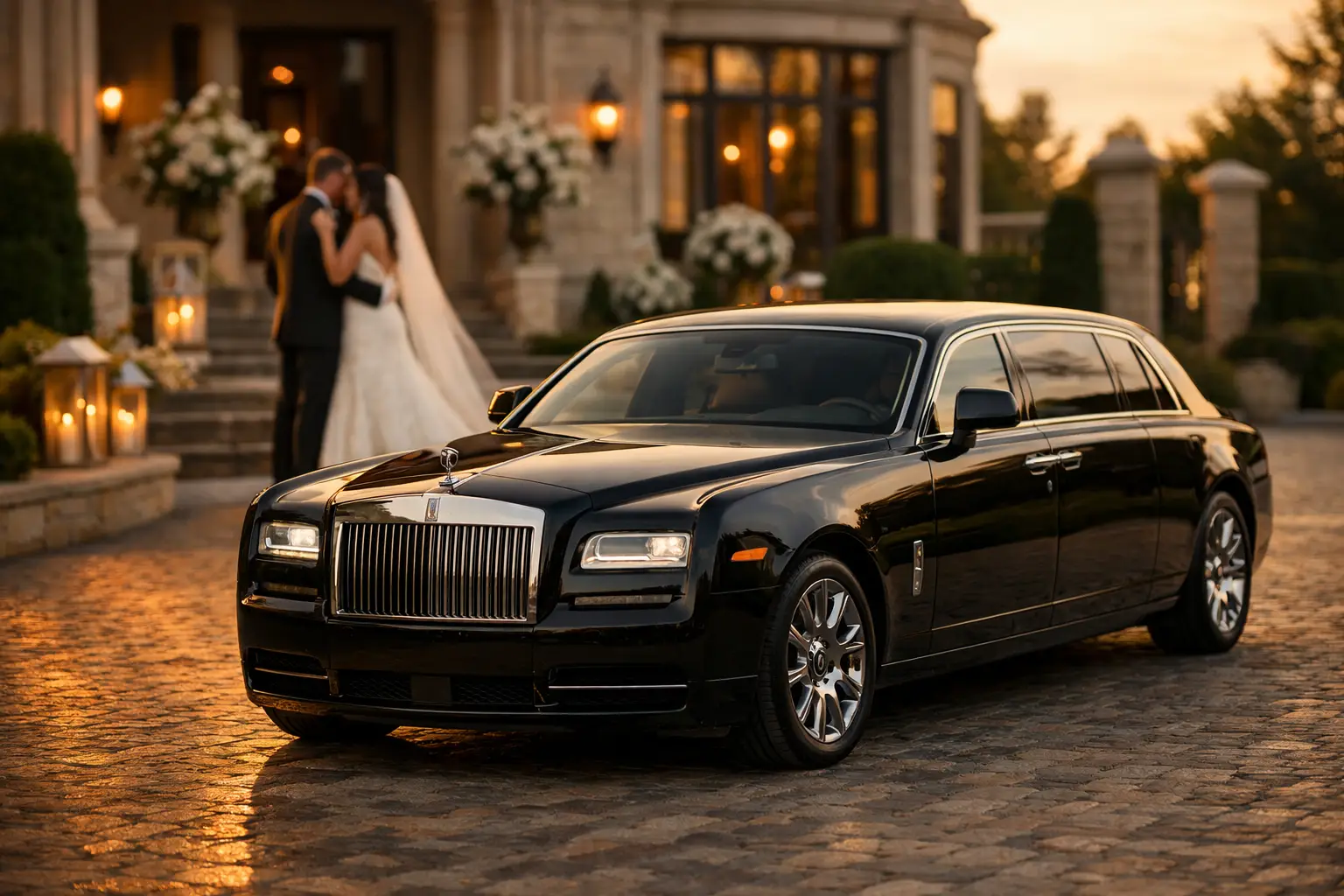
The car shows up in more wedding photos than most people expect. It is there for the house departure, the ceremony arrival, the quiet reset between events, the reception entrance, and often the last shot of the night. That is why booking a wedding limo Toronto couples actually feel confident about is less about picking something flashy and more about matching the vehicle, timing, and chauffeur team to how the day will really move.
In Toronto weddings, that movement is rarely simple. A church ceremony in Woodbridge, portraits downtown, and a reception in Vaughan is one version. A Persian Sofreh Aghd, a Chinese tea ceremony, and a banquet hall reception is another. A Sikh wedding with a baraat has its own pace entirely. The right transportation plan respects those differences instead of forcing every wedding into the same package.
What matters most in a wedding limo Toronto booking
The first decision is not color or brand. It is role. Ask what each vehicle needs to do.
For the couple, the car is part of the visual story. That is where a Rolls-Royce Phantom, Ghost, Cullinan, or a vintage 1960 Rolls-Royce Silver Cloud II makes sense. These vehicles photograph well, carry the arrival properly, and give the couple a calm space between stops. If the wedding has a formal tone or a venue with strong architectural character, the car should complement it rather than overpower it.
For the bridal party or immediate family, space and access usually matter more than badge. A Cadillac Escalade, Chevrolet Suburban, GMC Yukon XL, or Mercedes Sprinter can handle dresses, suits, and multi-stop movement far better than trying to squeeze everyone into the wrong car for the sake of appearance. A stretch limo works when the group wants to travel together and the route is straightforward. It is less practical when the day includes tight residential streets, long photo transfers, or several staggered pickups.
That trade-off matters. A Hummer H2 Stretch creates a certain arrival and suits some celebrations well, especially larger wedding parties. But if the schedule is tight and the venues have restricted access, a combination of SUVs and sedans may work better. Good wedding transportation planning is usually about fit, not maximum size.
Matching the vehicle to the wedding style
Some weddings call for one statement vehicle. Others need a convoy.
A formal downtown wedding often works best with a Rolls-Royce for the couple and one or two black SUVs for family or coordinators moving between hotel, ceremony, and reception. The look stays consistent, and the logistics stay clean. If the couple wants a stronger visual presence, the Phantom Two-Tone stands out immediately in photos and curbside arrivals.
A larger multicultural wedding usually needs more structure. South Asian weddings may involve home pickups, groom arrivals, ceremony timing tied to muhurat, and family movements that do not happen all at once. Persian weddings may require careful arrival timing around the Sofreh Aghd and photo schedule. Chinese weddings often involve multiple family locations and tea ceremony transitions. In those cases, booking one hero car and hoping for the best usually creates pressure later in the day.
The better approach is to assign vehicles by function. The couple may use a Rolls-Royce Cullinan or Phantom. Parents may travel in a Cadillac Escalade or BMW 750i. Siblings and close family may use a Mercedes Sprinter Limo Style. If there is a larger group transfer between hotel and venue, a coach or party bus can keep everyone moving together without constant phone calls and delay.
That is one reason professionally managed chauffeur service matters. When every vehicle and chauffeur is controlled under one operation, timing is easier to coordinate than trying to patch together separate providers.
Why chauffeur standards matter more than most couples realize
A wedding vehicle is not just a car. It is a timed service.
The chauffeur sets the tone at pickup, manages route changes, helps keep transitions composed, and understands when to be present and when to step back. On a wedding day, that judgment counts. Families are emotional, schedules shift, photographers need a few extra minutes, and venues can become crowded at the exact moment the car arrives.
This is also where ownership and staffing structure matter. A company running owned vehicles with directly employed chauffeurs has more control over presentation, maintenance, and day-of communication than an operation that relies on outside cars. For weddings, that control is not a back-office detail. It affects whether the car that was promised is the car that arrives, and whether the chauffeur understands the assignment before the first pickup.
Platinum Rides has operated from Toronto since 2013 and runs an owned fleet with employed chauffeurs, which is relevant for couples who care about consistency and do not want wedding transportation handled as an outsourced booking.
The pricing question couples should ask early
Wedding transportation is easier to plan when pricing is clear from the start. Flat-rate structure matters because wedding days rarely follow a simple point A to point B route.
If pricing is confirmed before departure, couples can budget around ceremony timing, photography windows, and reception arrival without wondering how delays or route changes will affect the final number. For example, a sedan starting from $90 may be right for a parent transfer or airport arrival, while a Rolls-Royce Ghost from $550 or a Mercedes-Maybach S 580 from $750 is a different category entirely, tied to presentation as much as transportation. HST and gratuity should be understood up front as part of the real spend.
This is also where it helps to avoid choosing only by headline price. A lower quote may leave out waiting time assumptions, vehicle substitutions, or operational details that become problems on the wedding day. The cheapest line item on the spreadsheet can become the most expensive mistake if timing falls apart.
How many vehicles do you actually need?
Most couples either underbook or overbook.
If the ceremony and reception are in the same venue and everyone is getting ready nearby, one primary vehicle for the couple and one support vehicle for family may be enough. If there are multiple houses, a church, a portrait location, and a banquet hall across regions, the plan changes fast. Add a large wedding party, and one stretch limo may no longer be practical.
A simple way to think about it is this: book the couple’s vehicle for image and calm, then book support vehicles for movement. Those are different jobs. A Rolls-Royce is not the right answer for transporting eight relatives. A Sprinter is not the right answer if the couple wants a formal arrival shot that anchors the album.
For larger guest logistics, especially where hotels are involved, coach transportation can be the right call. It keeps family and VIP guests on schedule and avoids the messy middle where everyone assumes someone else is arranging rides.
Wedding limo Toronto planning mistakes to avoid
The most common mistake is treating transportation as a late-stage detail. By the time invitations are out and venue timing is fixed, vehicle availability may be narrower, especially for specific statement cars or high-capacity group transport.
The second mistake is booking without a real timeline. A chauffeur service can only execute the day properly if the pickup order, ceremony timing, photo window, and venue access points are understood. Even a beautiful vehicle cannot fix a vague plan.
The third mistake is not accounting for cultural timing. A baraat does not move like a church arrival. A tea ceremony day does not move like a single-location hotel wedding. The car plan should reflect the event sequence rather than forcing the event sequence to fit the car booking.
Finally, some couples focus only on the couple’s vehicle and forget the people who create delays when left unmanaged. Parents, grandparents, and wedding party members need clear transportation just as much as the bride and groom do.
What to ask before you confirm
Ask whether the vehicles are owned by the company and whether chauffeurs are direct employees. Ask for the exact vehicle model being reserved. Ask how pricing is structured, what is included, and how timing changes are handled. If your wedding includes multiple cultural events or locations, say that clearly at the start.
You should also ask a practical question many people skip: who is managing the overall transportation flow on the day? If there are three or four vehicles involved, coordination matters as much as the cars themselves.
A good booking conversation should feel specific. Not theatrical, not vague. If the service understands weddings, the discussion will quickly move into timing windows, addresses, passenger counts, dress volume, photo stops, and venue logistics.
Wedding transportation is one of those details people notice most when it goes wrong and barely think about when it goes right. That is exactly how it should be. The right car looks right in the frame, arrives when it should, and gives the day a little more order when everything else is moving quickly. Book for that standard, and the photos will take care of themselves.


Leave a Reply