
A Baraat Is Not a Standard Pickup
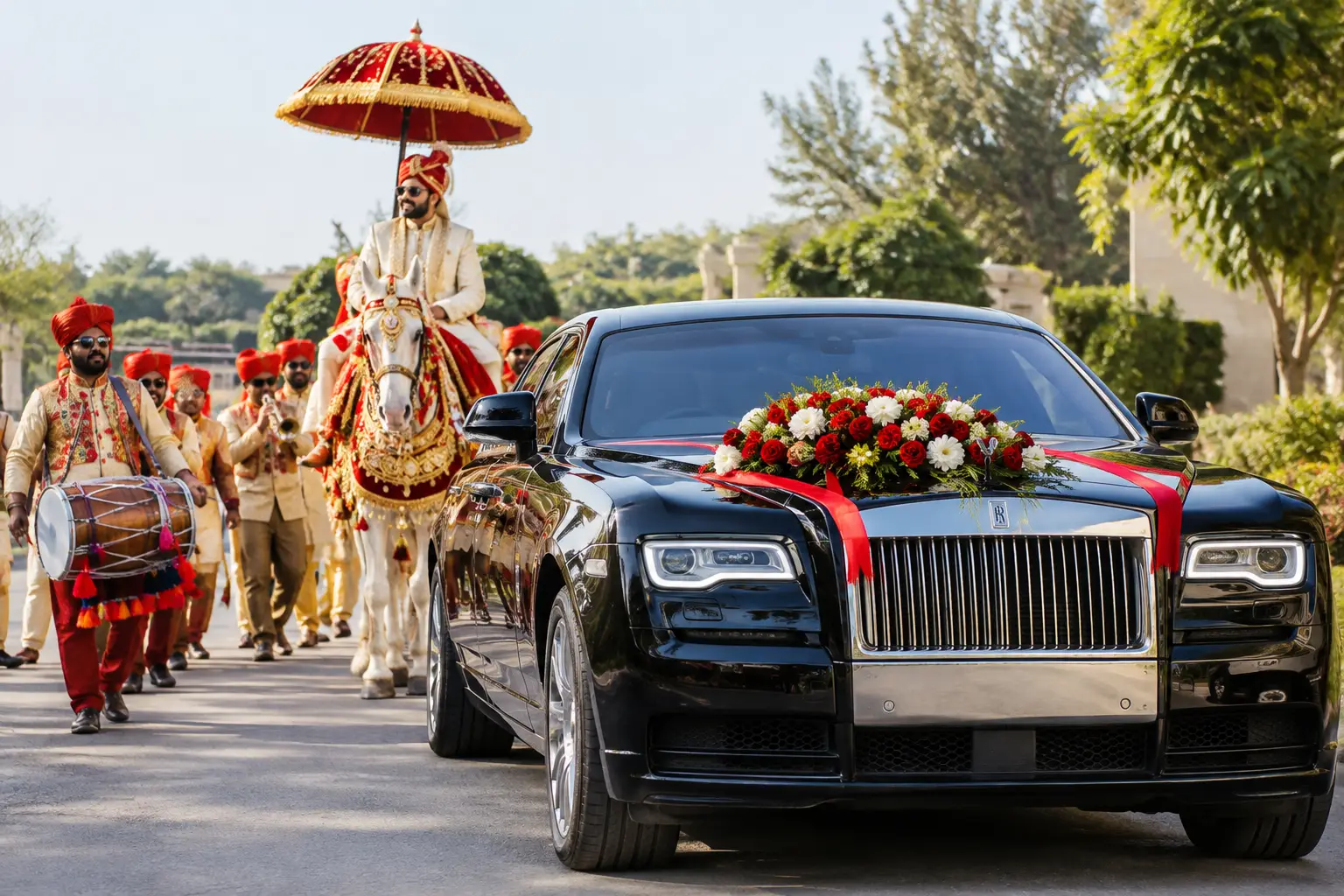
Baraat transportation has to account for more than passenger count. The groom’s arrival may involve a procession, dhol players, family members joining at different points, photography stops, a horse, and a venue entrance that has only a short window for vehicle access. What looks simple on a wedding timeline can become difficult if every vehicle arrives at once or the route has not been checked in advance.
For Punjabi, Sikh, Hindu, and Pakistani weddings, the baraat often sets the energy for the entire day. It should have room to build naturally without leaving parents, elders, or the wedding party waiting on a roadside or in a parking lot. The transportation plan needs to support the procession while maintaining a clear order of arrival.
That requires a chauffeur service that understands that the schedule on paper is only one part of the operation. The route, staging area, vehicle order, guest mobility, venue instructions, and ceremony timing all matter.
Start With the Procession, Not the Vehicle
A common planning mistake is choosing a vehicle first and then trying to fit the baraat around it. Start instead with how the arrival will actually happen. Will the groom leave from home, a hotel, or a separate gathering point? Is the procession taking place on private venue grounds, a driveway, or a public-facing entrance? Are close relatives expected to travel with the groom, or meet at the venue?
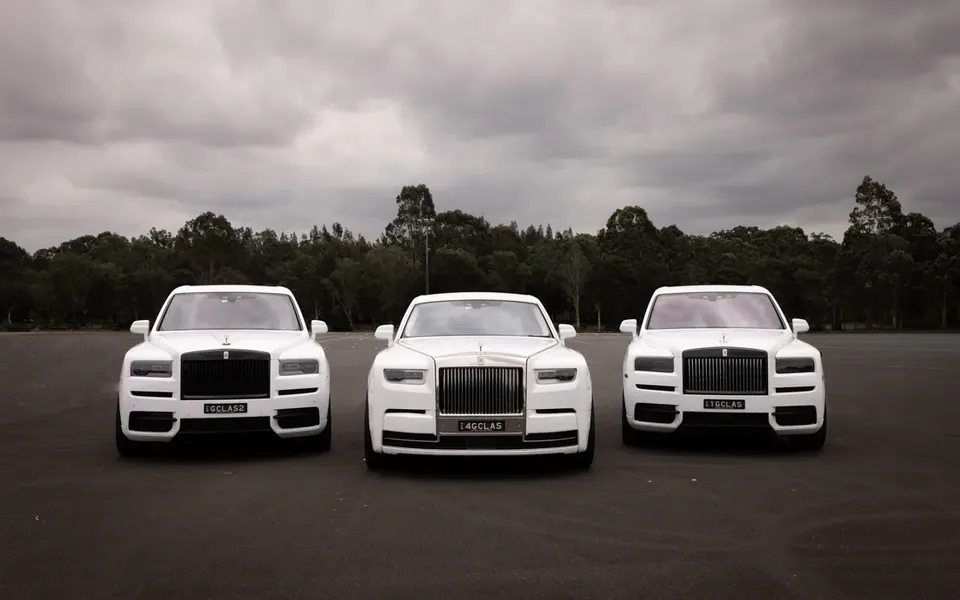
The answers determine whether a Rolls-Royce Ghost or Rolls-Royce Cullinan is appropriate for the groom, whether family needs a Mercedes Sprinter Limo Style, and whether a larger party bus should carry the wedding party from a separate location.
Build Real Time Around the Muhurat
For Hindu weddings, the muhurat is not a flexible suggestion. The transport schedule should work backward from the required ceremony time, allowing for the procession, greeting, photos, and transition into the venue. A baraat that begins late may compress the couple’s photo time or place pressure on the ceremony team.
It also helps to separate travel time from procession time. A 20-minute drive does not mean guests should be scheduled to arrive 20 minutes before the ceremony. Loading, unloading, gathering the group, and entering the venue all take time. In Brampton, Mississauga, Vaughan, Markham, and North York, banquet halls can also have busy shared entrances on weekends, making a staging plan particularly useful.
Decide Who Travels Together
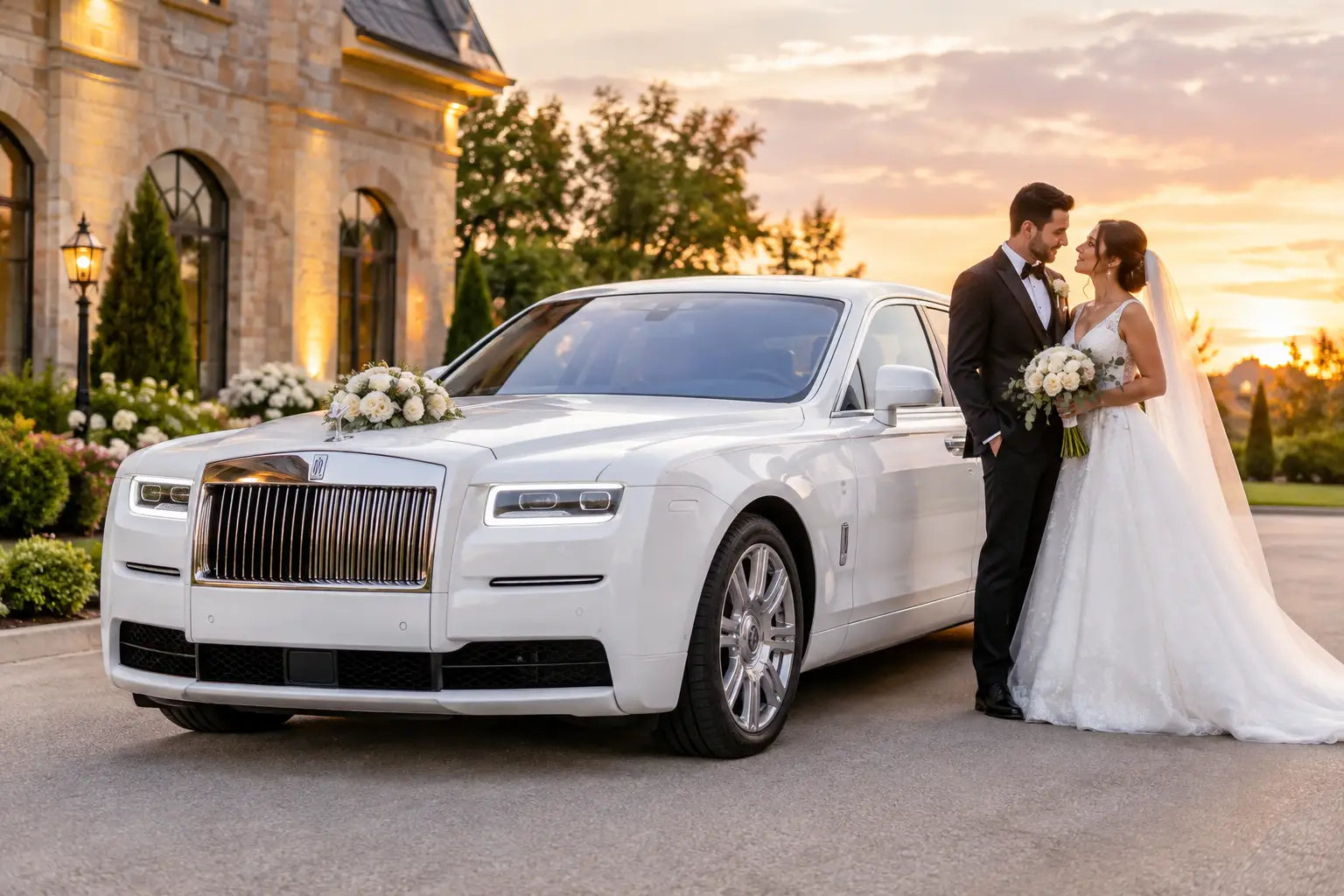
The groom does not always need to travel with the full wedding party. In many cases, a focused lead vehicle works better: the groom and one or two close relatives in a Rolls-Royce Phantom Two-Tone, Phantom 8 Series, Ghost, or Cullinan. This gives the lead arrival a clear visual presence while keeping the vehicle easy to position at the entrance.
Parents, siblings, and elders may be more comfortable in a Cadillac Escalade, Chevrolet Suburban, GMC Yukon XL, or Mercedes Sprinter. Larger groups can travel together in a 22-, 28-, 34-, or 50-passenger party bus. Where guest transportation is part of the plan, a 23- or 27-passenger shuttle coach, or a 56-passenger highway coach, can reduce the number of separate arrivals.
The right arrangement depends on the family dynamic. Some baraats are built around a tight group of immediate relatives. Others involve several households leaving from different addresses. Neither format is better, but each needs a different dispatch plan.
Baraat Transportation Vehicle Roles
A multi-vehicle baraat works best when each vehicle has a defined role rather than simply filling seats.
The Groom’s Vehicle
The groom’s vehicle is the visual anchor. A Rolls-Royce Phantom Two-Tone suits formal ballroom and estate arrivals, while a Rolls-Royce Cullinan can be a practical choice when venue access, weather, or a longer drive calls for an SUV format. The 1960 Rolls-Royce Silver Cloud II offers a distinct vintage look, though it is best considered when the route and timing allow for a more measured pace.
The key is to coordinate its arrival with the baraat itself. Sending the lead vehicle too far ahead can make the groom appear disconnected from the procession. Holding it too long can obstruct a venue driveway. The chauffeur and wedding coordinator should know exactly where the vehicle is expected to stop and when the groom will exit.
Family and Wedding Party Vehicles
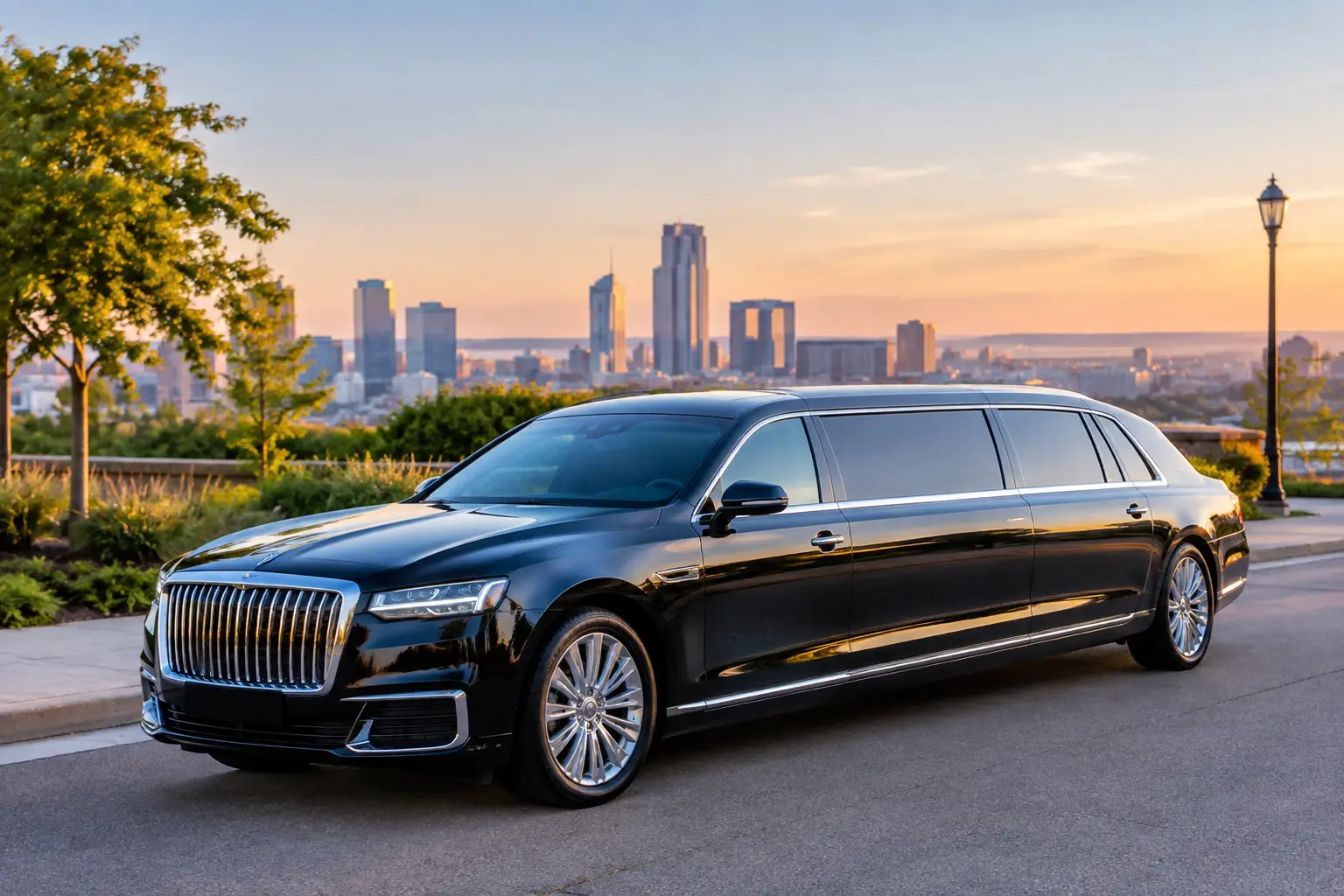
For family members, access and comfort usually matter more than a dramatic entrance. SUVs are useful for elders and families carrying personal items, while a Mercedes Sprinter Limo Style can keep a close group together before the ceremony. A Hummer H2 Stretch, with seating for up to 18 passengers, may suit a larger wedding party that wants to arrive as one group.
Not every family needs a stretch limousine or party bus. If the group is small and traveling from one location, two SUVs can be easier to stage and park. If there are 20 or more people traveling together, a party bus can simplify departures and help prevent guests from arriving at different times.
Guest Transportation
Guest transportation becomes especially useful for venue-to-hotel movement, ceremonies and receptions at separate locations, or families traveling from outside the area. It can also be a considerate option for elders who should not need to navigate unfamiliar parking lots after a long ceremony.
For Chinese tea ceremonies or multi-location wedding days, the same principle applies: keep the vehicle plan tied to the sequence of events. A coach may be appropriate for a larger family group, while sedans and SUVs can handle key family members moving between the tea ceremony, photo location, and reception.
Route, Staging, and Venue Access
The route for a baraat should be reviewed for practical conditions, not just distance. A procession with dancers and musicians needs safe space to form, a clear direction of travel, and an agreed endpoint. Some venues permit a procession near the main doors, while others need vehicles and guests to use a designated side entrance or staging area.
Ask the venue whether there are rules about music, parking, procession length, outdoor timing, or access for larger vehicles. This is particularly relevant at busy banquet halls and venues with narrow driveways. If the baraat includes a horse, the horse provider, venue coordinator, and transportation coordinator should each understand the arrival order so vehicles do not compete for the same space.
Photography is another consideration. The most photogenic position is not always the safest or most practical place for a vehicle to stop. A chauffeur should receive the planned photo location ahead of time, rather than being asked to reposition repeatedly while the baraat is underway.
Chauffeur Coordination Makes the Difference
A formally dressed, licensed chauffeur does more than drive between addresses. On a wedding day, the chauffeur follows the agreed vehicle order, monitors timing, assists with reasonable loading and unloading, and communicates through the designated contact when the schedule changes.
For larger baraats, designate one family member, planner, or wedding coordinator as the transportation contact. Too many instructions from different relatives can create confusion, particularly once music begins and the procession starts moving. One point of contact allows the fleet to respond to a changed photo stop, a delayed departure, or a revised entrance plan without interrupting the family.
Platinum Rides has operated from Toronto since 2013 and provides chauffeur-driven wedding transportation across Ontario. Every booking includes a formally dressed licensed chauffeur, with no self-drive option.
Confirm the Details Before Wedding Day
A clear written plan prevents many avoidable issues. Before departure, confirm the pickup addresses, passenger assignments, vehicle order, scheduled departure times, venue entrance, procession route, main contact, and final drop-off plan. If the ceremony and reception are at separate venues, include the expected departure sequence after the ceremony as well.
Also confirm the pricing structure. A flat rate confirmed before departure, plus HST and gratuity, gives the family a defined transportation cost without per-kilometer charges. If the plan involves waiting while the baraat takes place, make sure that time is included in the agreed service window.
The strongest baraat transportation plan does not try to control every moment of a celebration. It gives the family enough structure to enjoy the procession, enough vehicle capacity for the people who matter, and a clear path from the first pickup to the ceremony entrance.