


Out of Town Car Service Done Right
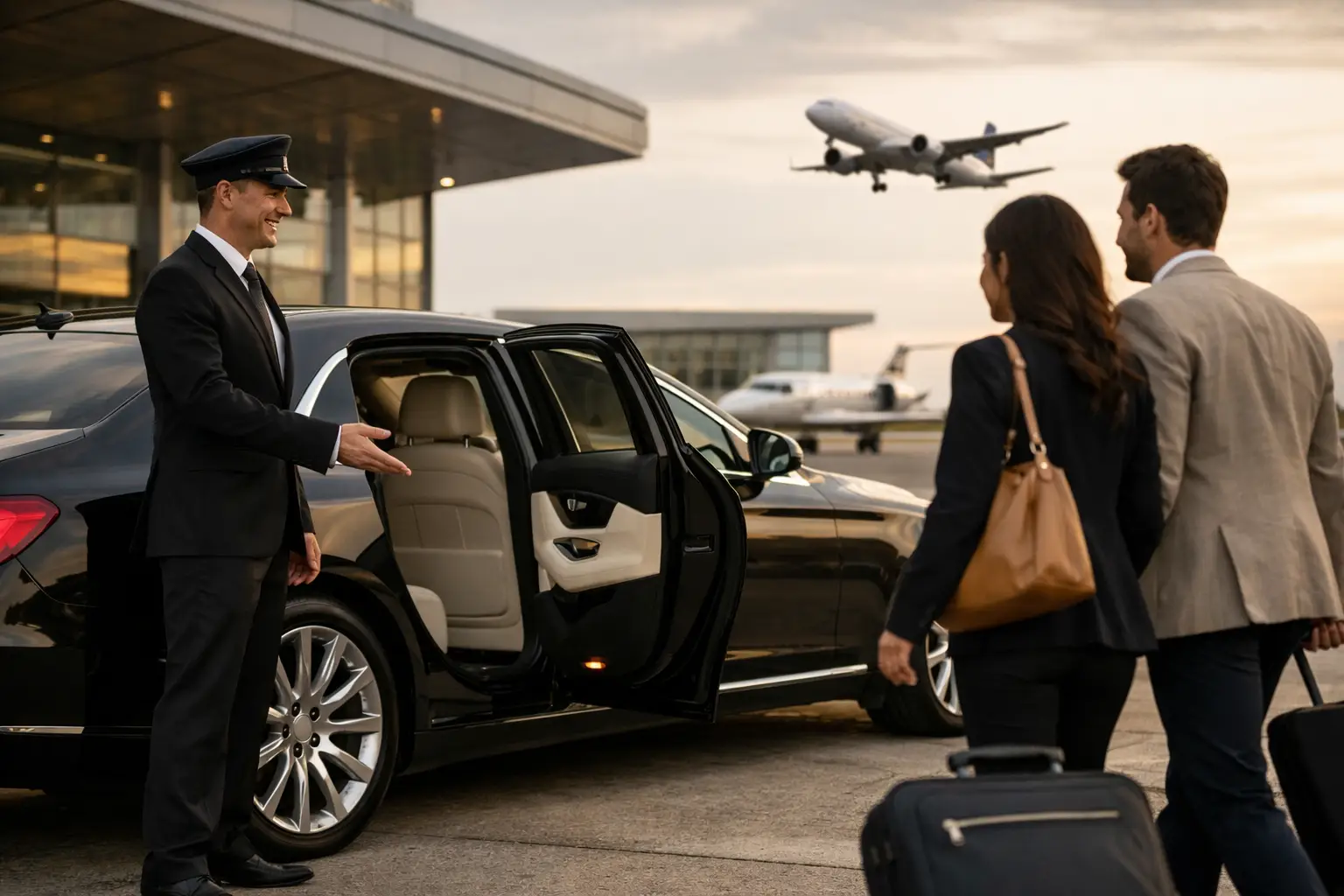
A two-hour drive can feel routine. A four-hour one with airport timing, client meetings, wedding schedules, or border documentation is not. That is where out of town car service stops being a simple transfer and becomes an operations question: who is driving, what vehicle is assigned, how timing is managed, and whether the rate is clear before the wheels move.
For clients booking long-distance chauffeur service from Toronto, the right choice usually comes down to consistency. A professionally managed trip to Kingston, Ottawa, Niagara-on-the-Lake, Muskoka, Buffalo, or Montreal needs more than a clean vehicle. It needs a licensed chauffeur, a vehicle suited to the route, and a company that actually controls the booking from dispatch to arrival.
What out of town car service should include
Long-distance ground transportation has different demands than a short city transfer. The route is longer, the margin for delays is tighter, and the comfort level matters more after the first hour. If you are booking out of town car service for business, family, or event travel, three things matter immediately: a confirmed flat rate, a properly matched vehicle, and direct accountability for the chauffeur and car.
Flat-rate pricing matters because distance trips can become expensive when billing is vague. A confirmed rate before departure gives clarity, especially for airport runs, executive travel, and wedding logistics where timing is fixed and approvals may be required in advance. At Platinum Rides, pricing is confirmed before departure plus HST and gratuity, with no surge pricing and no per-kilometer charges.
Vehicle matching matters just as much. A solo executive going from Yorkville to Kingston for meetings has a different requirement than a family heading to a wedding in Cambridge, or a private aviation client arriving at Pearson FBO and continuing to Muskoka. The wrong vehicle makes a long drive feel longer.
Direct accountability is often overlooked until something goes wrong. If the company owns the vehicle and employs the chauffeur directly, dispatch has control over quality, timing, and standards. That is very different from a booking model built around outside operators.
Choosing the right vehicle for out of town car service
The best vehicle is not always the largest or most expensive one. It depends on the route, the passenger count, luggage, and the purpose of the trip.
For executive travel, sedans and full-size SUVs usually make the most sense. A Mercedes-Maybach S 580 works well for clients traveling from Toronto to Ottawa, Kingston, or Niagara who want a quiet cabin and room to work en route. A BMW 750i is another strong option for single-passenger or two-passenger trips where comfort matters but the setting is still business-first. For airport-to-residence or airport-to-cottage transfers with more luggage, a Cadillac Escalade, Chevrolet Suburban, or GMC Yukon XL gives more cargo capacity without moving into group transport.
For special occasions, the vehicle choice is often tied to the event itself. A Rolls-Royce Ghost or Rolls-Royce Cullinan may be the right fit for a wedding couple traveling from Toronto to a venue in Hamilton, Cambridge, or Prince Edward County. If the schedule includes multiple stops, photography, family coordination, and formal arrival timing, the booking needs to be planned around the event, not just the highway route.
For groups, Sprinters, stretches, and coaches become more practical. A Mercedes Sprinter Corporate is useful for executive teams going to a conference or site visit. A Mercedes Sprinter Limo Style or Hummer H2 Stretch fits social groups heading to Niagara wine country, birthdays, or bachelor and bachelorette events. For larger movements, such as wedding guest shuttles or corporate transport between venues, party buses and highway coaches are simply more efficient than trying to split everyone into several SUVs.
When long-distance service matters most
Not every booking has the same stakes. Some trips are convenience-driven. Others are schedule-critical.
Airport transfers are a good example. A pickup from Toronto to Pearson YYZ is straightforward. A transfer from Kingston to Pearson, or from Pearson to Niagara Falls after an international arrival, requires more planning. The chauffeur needs the route, timing buffer, terminal details, and pickup protocol aligned in advance. The same is true for FBO arrivals at Skyservice, Signature Aviation, and Skycharter, where privacy, timing, and curbside coordination carry more weight than a standard terminal pickup.
Corporate travel is another category where details matter. Bay Street clients, law firms, hospital administrators, and visiting executives are often booking transportation because the car needs to support the workday. That means a clean interior, professional chauffeur presentation, and a route that respects meeting schedules. On longer trips, clients are often taking calls, reviewing material, or arriving directly to a boardroom. A casual approach does not fit that use case.
Weddings create a different kind of pressure. A family may need the couple in one vehicle, immediate family in another, and guests moved on a separate schedule. That gets more complex with multicultural ceremonies where timing and sequence matter. A Punjabi baraat, a Hindu muhurat, a Persian Sofreh Aghd setup, a Chinese tea ceremony, or a church-to-reception convoy all require transportation planning that understands more than addresses.
What to ask before booking
The easiest way to judge an out of town car service is to ask a few direct questions.
First, ask whether the rate is flat and confirmed in writing before departure. If the answer is unclear, keep asking. Long-distance bookings should not leave pricing open to interpretation.
Second, ask whether the company owns the vehicle and directly employs the chauffeur. That single question tells you a lot about consistency. A company with an owned fleet has more control over maintenance, presentation, and dispatch standards.
Third, ask which vehicle is actually being assigned and why. That matters for comfort, luggage, road conditions, and passenger count. A Maybach for two passengers on a Kingston route is a smart match. A Suburban for four adults with luggage heading to the airport may be the better call. A 27-passenger or 56-passenger coach may be the practical solution for a corporate group even if a smaller vehicle sounds more exclusive on paper.
Finally, ask how pickup timing is handled if your trip involves airports, cross-border travel, or multiple stops. The longer the route, the more small timing issues matter.
The trade-offs clients should think about
There is no single correct way to book long-distance transportation. It depends on what you are trying to protect.
If privacy and presentation matter most, a sedan or ultra-luxury sedan may be the right answer even for a longer route. If luggage, winter conditions, or family travel are part of the plan, an SUV may be more practical. If the goal is keeping a group together, a Sprinter or coach often beats splitting the party into several vehicles, even if it costs more upfront.
The same goes for scheduling. A direct trip is not always the best booking structure. Some clients need wait time built in for lunch, meetings, winery stops, photography, or pickup changes. Others want a clean point-to-point transfer with no extras. The more clearly that is defined at the time of booking, the better the trip tends to run.
Cross-border travel adds another layer. A car service can handle the route to Buffalo or Detroit, but passengers still need proper documentation and enough timing margin for inspection delays. That does not make the trip difficult. It just means the planning should be realistic.
Why operating model matters on long routes
On a short transfer, many service gaps can be hidden. On a three-hour or five-hour route, they become obvious. Vehicle condition matters more. Chauffeur professionalism matters more. Communication matters more.
That is why the operating model behind the booking matters. Platinum Rides has operated from Toronto since 2013 and runs an owned fleet with directly employed chauffeurs, not subcontracted vehicles. For long-distance service, that structure is practical, not cosmetic. It means the company dispatching the trip is the same company responsible for the vehicle, the chauffeur, and the service standard.
Clients usually feel that difference in simple ways: clearer communication, cleaner execution, and fewer surprises on the day of travel. Not because long trips are glamorous, but because they reward planning.
A better way to think about long-distance ground travel
The smartest way to book out of town car service is to treat it like part of the event or workday, not an extra line item. If the trip is tied to a flight, a meeting, a ceremony, or a family schedule, the car should support that timeline with the right vehicle, a confirmed rate, and a chauffeur who is there to do more than just drive.
When the route is long, comfort matters. When the timing is fixed, discipline matters more. Book accordingly.


Leave a Reply