

A Niagara wine day is rarely defined by the first tasting. It is defined by whether the group arrives on time, whether everyone can enjoy the pours without watching the clock, and whether the return home is properly planned. This guide to Niagara wine transportation focuses on those details: route timing, vehicle selection, winery reservations, and the pace that makes a day in Niagara-on-the-Lake, Beamsville, Vineland, or Jordan feel well organized rather than overbooked.
For guests leaving Toronto, the drive is part of the day. A professional chauffeur allows the host and guests to stay together, keep purchases secure, and avoid assigning someone to drive after tastings. It also creates a clear point of contact when reservations shift or a lunch runs longer than expected.
Start With the Shape of the Day
The right transportation plan begins before choosing a vehicle. Decide whether the day is centered on Niagara-on-the-Lake, the Twenty Valley area around Beamsville and Vineland, or a mixed itinerary. Combining regions can work, but it adds driving time and can make a relaxed tasting schedule feel compressed.
From Toronto, travel time can vary considerably with weekday traffic, summer weekends, road construction, and the timing of your departure. An early pickup often gives groups more room for a late breakfast, a first tasting, and lunch before the most popular afternoon reservation times. A chauffeur can work from a confirmed itinerary, but a realistic schedule is still the guest’s best advantage.
For most private groups, three wineries plus lunch is a sensible full-day structure. Four winery visits may suit experienced tasters with short, pre-booked appointments in the same area. Five or more stops usually means less time at each property, more time boarding and exiting the vehicle, and fewer opportunities to enjoy the setting.
Build Around Reservations, Not a Wish List
Many Niagara wineries use timed tastings, seated experiences, cellar tours, or seasonal food pairings. Reserve these before finalizing transportation. A list of wineries without appointment times is not an itinerary.
Leave space between bookings for check-in, washroom breaks, browsing the retail shop, and normal traffic on local roads. Fifteen minutes of flexibility can protect the rest of the day when a host gives an extended vineyard introduction or the group decides to purchase a case of wine.
Lunch deserves the same attention. A formal restaurant meal can take 90 minutes or more, while a winery patio or casual stop may better suit a schedule with afternoon tastings. If one guest has mobility needs, confirm access and walking distances directly with each venue before the date.
Choosing the Right Vehicle for a Wine Group
Vehicle choice is less about appearance than passenger count, luggage space, and how the group intends to spend the day. A couple celebrating an anniversary has different needs from a corporate team or a birthday group traveling from Mississauga, Markham, or downtown Toronto.
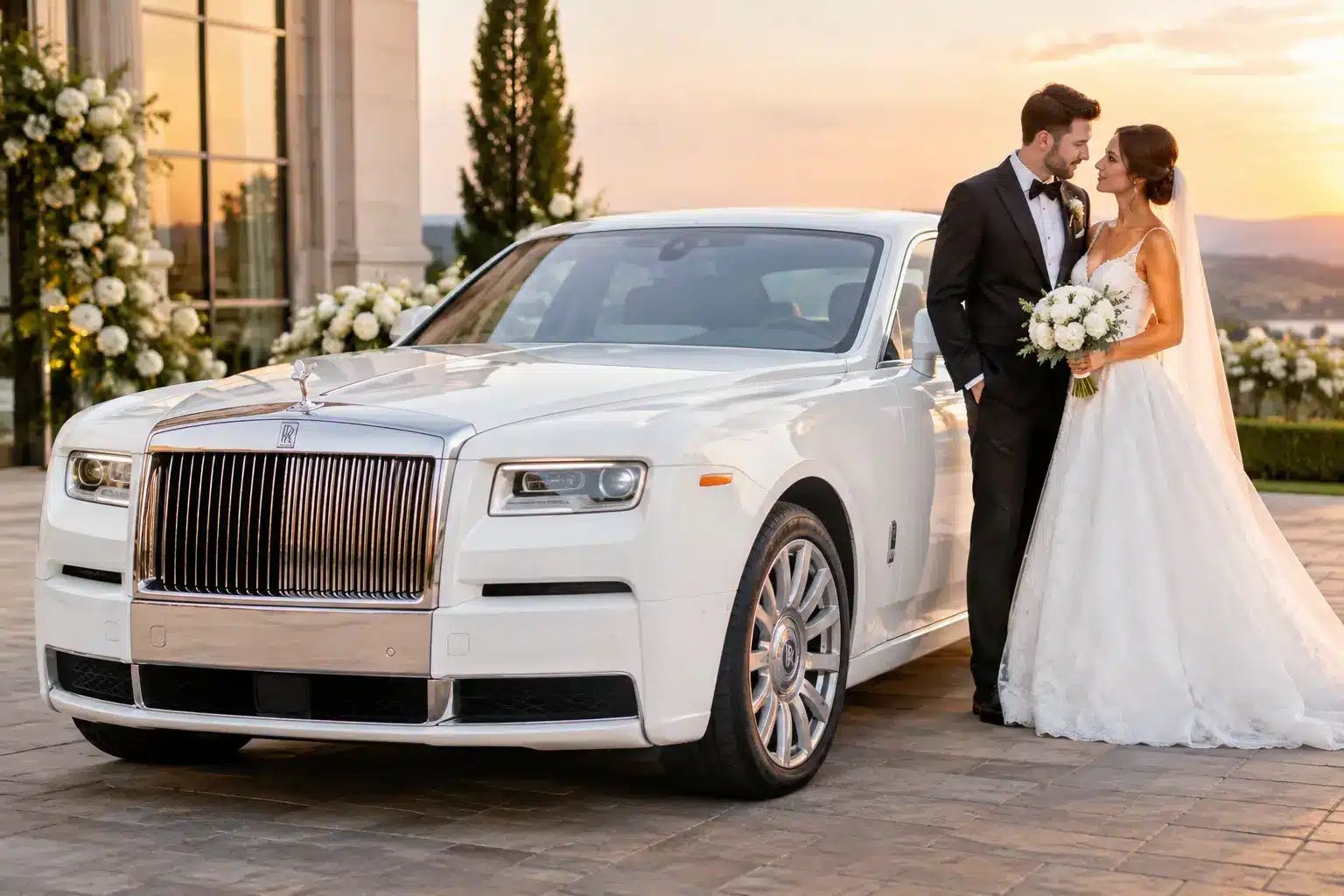
For two to three passengers, a Mercedes-Maybach S 580, BMW 750i, Rolls-Royce Ghost, or Rolls-Royce Cullinan provides a private setting with room to settle in between stops. The Cullinan is particularly practical for a longer day when guests expect to bring back wine purchases.
A Cadillac Escalade, Chevrolet Suburban, GMC Yukon XL, or Cadillac Lyriq EV can suit a small group that wants SUV seating and useful cargo space. The final choice depends on passenger count and the amount of wine likely to travel back with the group. It is worth discussing this at booking rather than assuming that every SUV has the same usable storage once all seats are occupied.
For larger parties, the Mercedes Sprinter Corporate and Mercedes Sprinter Limo Style each accommodate up to 14 passengers. The Ford Transit also accommodates up to 14 passengers for groups focused on direct, coordinated transport. These options keep colleagues, friends, or family together rather than splitting the day across several vehicles.
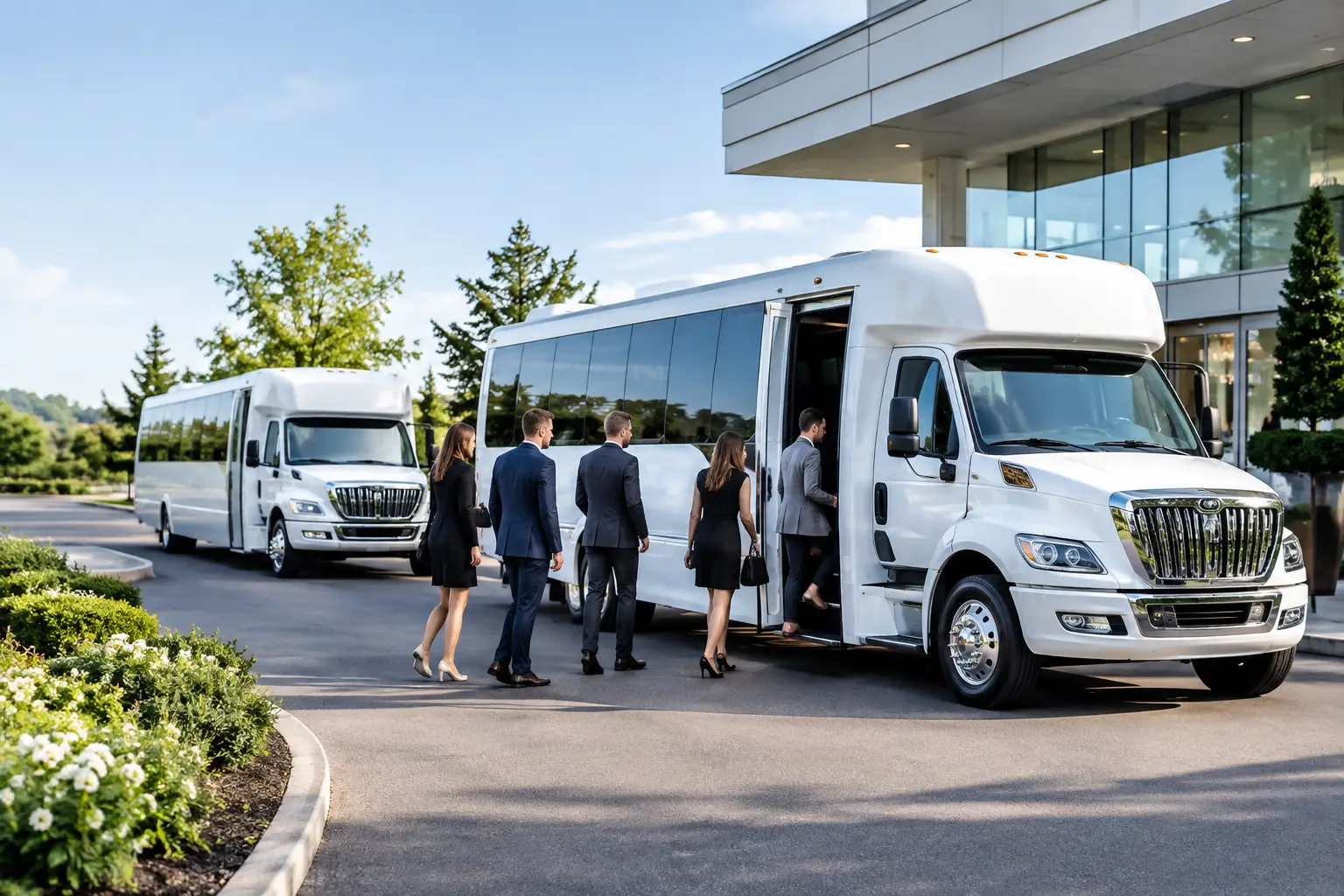
For celebrations with 22 or more guests, party buses for 22, 28, 34, and 50 passengers, as well as shuttle coaches for 23, 27, and 56 passengers, offer a more practical answer. Large groups should recognize the trade-off: bigger vehicles need suitable access and parking at every winery. A route of well-known properties with established coach access is generally easier than a series of small, rural stops.
How a Chauffeured Wine Day Works
With a professional chauffeur service, the vehicle and licensed chauffeur are reserved for the agreed itinerary and time. The chauffeur handles driving, drop-offs, pickups, and the road portion of the schedule while the group visits each winery. That structure is useful when no one wants to be responsible for navigation, parking, or driving after tastings.
Provide the pickup address, passenger count, planned winery stops, reservation times, lunch location, and expected return destination when requesting a quote. If pickup involves a condo, hotel, office tower, or private residence with limited access, mention that as well. Clear instructions help avoid unnecessary delays at the start of the day.
Ask how schedule changes are handled before departure. A wine day can evolve. A tasting may run long, rain may change patio plans, or the group may decide to spend more time in Niagara-on-the-Lake. Flexibility can be available, but it depends on the confirmed service time, vehicle schedule, and operational availability. It should not be assumed without discussing it.
At Platinum Rides, wine-country transportation is quoted as a flat rate confirmed before departure, plus HST and gratuity. There are no per-kilometer charges. That matters on a Niagara day because the itinerary is usually built around time, stops, and vehicle type rather than a simple point-to-point transfer.
Plan for Wine Purchases and Responsible Return Travel
Wine purchases change the practical side of the trip. A few bottles are easy to accommodate, but case purchases take space quickly, especially in a fully occupied vehicle. Tell the transportation provider if the group expects to buy heavily, is collecting club orders, or plans to stop at several estate shops. The appropriate vehicle may be different from the one that simply fits the passengers.
Keep bottles upright where possible and avoid leaving them in direct sun for extended periods. On hot summer days, ask your winery hosts about holding purchases until departure from the final stop if that better protects the wine. For valuable or temperature-sensitive purchases, confirm the plan in advance.
A chauffeured return also supports responsible tasting. Guests should still pace themselves, drink water, and eat during the day. Designated driving removes one concern, but it does not replace thoughtful planning. A well-spaced itinerary with lunch generally produces a better experience than rushing through consecutive pours.
Corporate and Celebration Groups Need a Point Person
For corporate hosting, appoint one organizer who holds the final itinerary and knows which guests are joining at pickup. For a birthday, bachelorette, or family outing, that person should also know the reservation names and any dietary restrictions for lunch. One informed contact keeps small questions from becoming group-wide confusion.
If guests are coming from different Toronto neighborhoods, consider whether one central pickup is more efficient than multiple stops. Multiple pickups can be appropriate, particularly for executive or family groups, but each one affects the departure window. The same applies to return travel: a single final drop-off is simpler, while several drop-offs require more time at the end of the evening.
A Better Pace for Niagara Wine Transportation
The strongest Niagara itinerary is not the one with the most winery names. It is the one where guests have time to taste, eat, talk, shop, and enjoy the drive without treating every stop as a deadline. Choose one region, confirm reservations early, match the vehicle to the actual group and purchase plans, and leave room for the unexpected. That is how a wine day finishes with good bottles in the vehicle and good judgment intact.