
A roadshow can put one executive in front of six decision-makers, in three cities, with no room to improvise between meetings. Executive roadshow transportation is not simply a vehicle waiting at the curb. It is a controlled schedule: the right chauffeur, a realistic route, an appropriate vehicle, and a clear plan for every transfer, hold, venue entrance, and departure.
For Bay Street teams, visiting investors, legal counsel, hospital leadership, and corporate guests arriving through private aviation, transportation affects the working day. A missed handoff, an underestimated travel window, or an unsuitable vehicle can disrupt the meetings that matter most. The objective is straightforward: keep the principal prepared, private, and moving according to a plan that accounts for actual conditions.
Why roadshow travel needs a different approach
A standard point-to-point transfer has one beginning and one end. A roadshow has variables. Meeting times can move. A session can run long. An investor lunch may be added between presentations. The executive may need to take calls, review materials, or have a quiet place to reset before the next room.
That changes how transportation should be arranged. The chauffeur needs a complete itinerary, not only a pickup address. The dispatcher needs to understand which times are fixed, which are estimates, who is authorized to change the schedule, and whether the vehicle is expected to remain close or return at a defined time.
For a Toronto roadshow, the distance between offices may look modest on a map. Travel from Yorkville to the Financial District, or from Bay Street to a meeting in Mississauga, can be affected by construction, event traffic, weather, and building access rules. Good planning builds in reasonable buffers without turning the executive’s calendar into idle time.
Build the schedule around meetings, not mileage
The strongest roadshow itineraries begin with the meeting agenda. List each venue, the requested arrival time, the expected end time, the decision-maker attending, and any building-specific arrival instructions. Then work backward from the fixed commitments.
A 9:00 a.m. meeting does not always mean a 9:00 a.m. curb arrival. A principal may need five minutes to gather materials, pass security, find the correct floor, or be received by a host. At private terminals, the handoff may require coordination with Skyservice, Signature Aviation, or Skycharter at Pearson. At corporate offices, the chauffeur may need a designated entrance or a contact who can confirm the pickup point.
The schedule should also identify hard stops. A client presentation, earnings-related meeting, airport departure, or private flight connection has little flexibility. A coffee meeting or internal review may have more room to shift. That distinction helps dispatch prioritize the day when the calendar changes.
For longer Ontario routes, travel time must be treated honestly. A Toronto-to-Kitchener-Waterloo executive day, a Guelph corporate visit, or a Kingston-to-Pearson transfer requires more than an optimistic estimate. The correct plan includes scheduled breaks when appropriate, anticipated highway conditions, and enough time at each end for the executive to arrive composed rather than rushed.
Decide what “on standby” means
Standby service is useful, but it should be defined. In one roadshow, the chauffeur may wait at the venue because the next stop is only minutes away and the schedule is likely to change. In another, the chauffeur may reposition nearby while remaining available at an agreed time.
This affects both operations and pricing. A flat rate confirmed before departure gives the company and client a shared understanding of the scope, including vehicle time, planned stops, and any scheduled waiting period. Platinum Rides confirms flat-rate pricing before departure, plus HST and gratuity, rather than applying per-kilometer charges that can make a multi-stop day harder to forecast.
Match the vehicle to the work being done
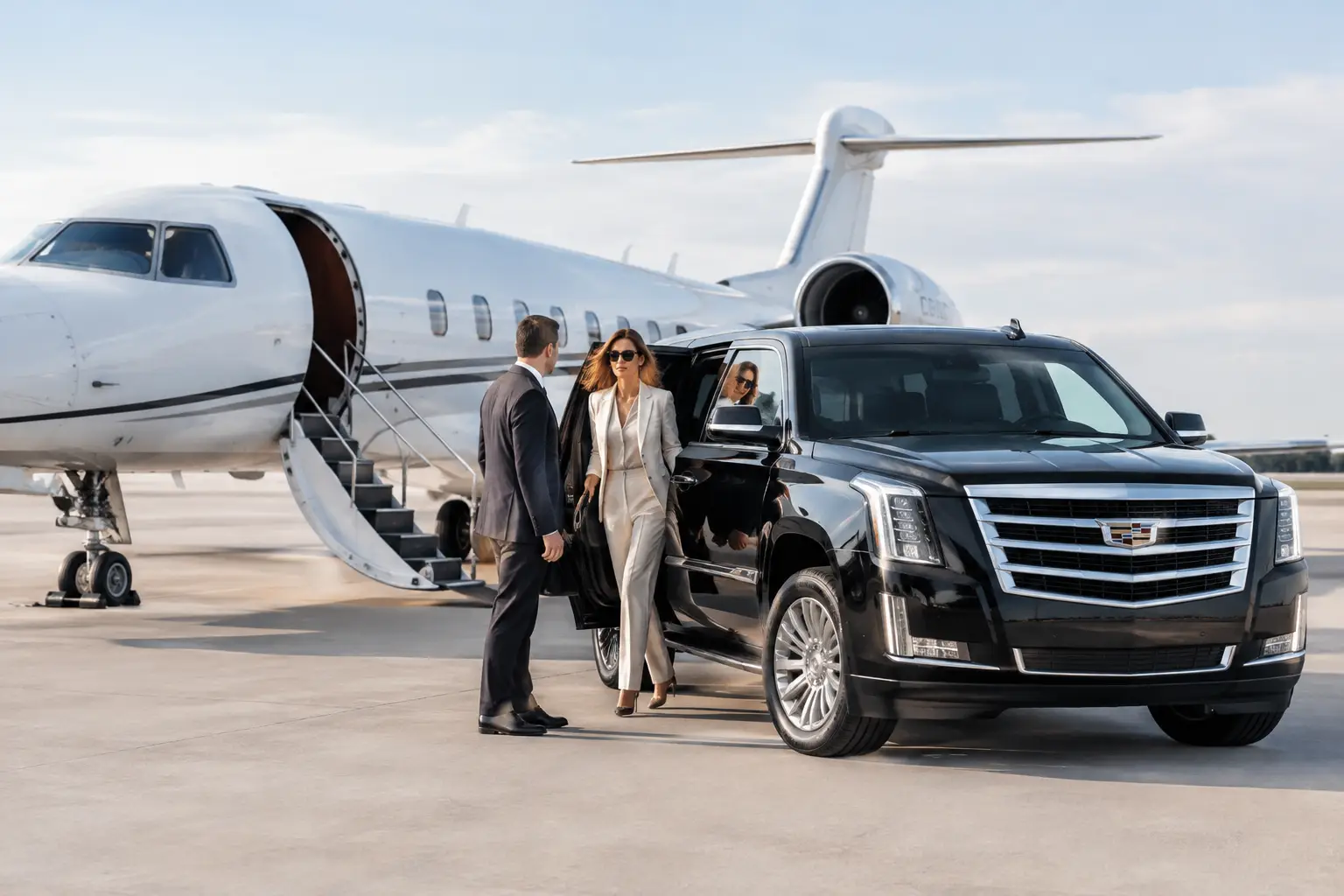
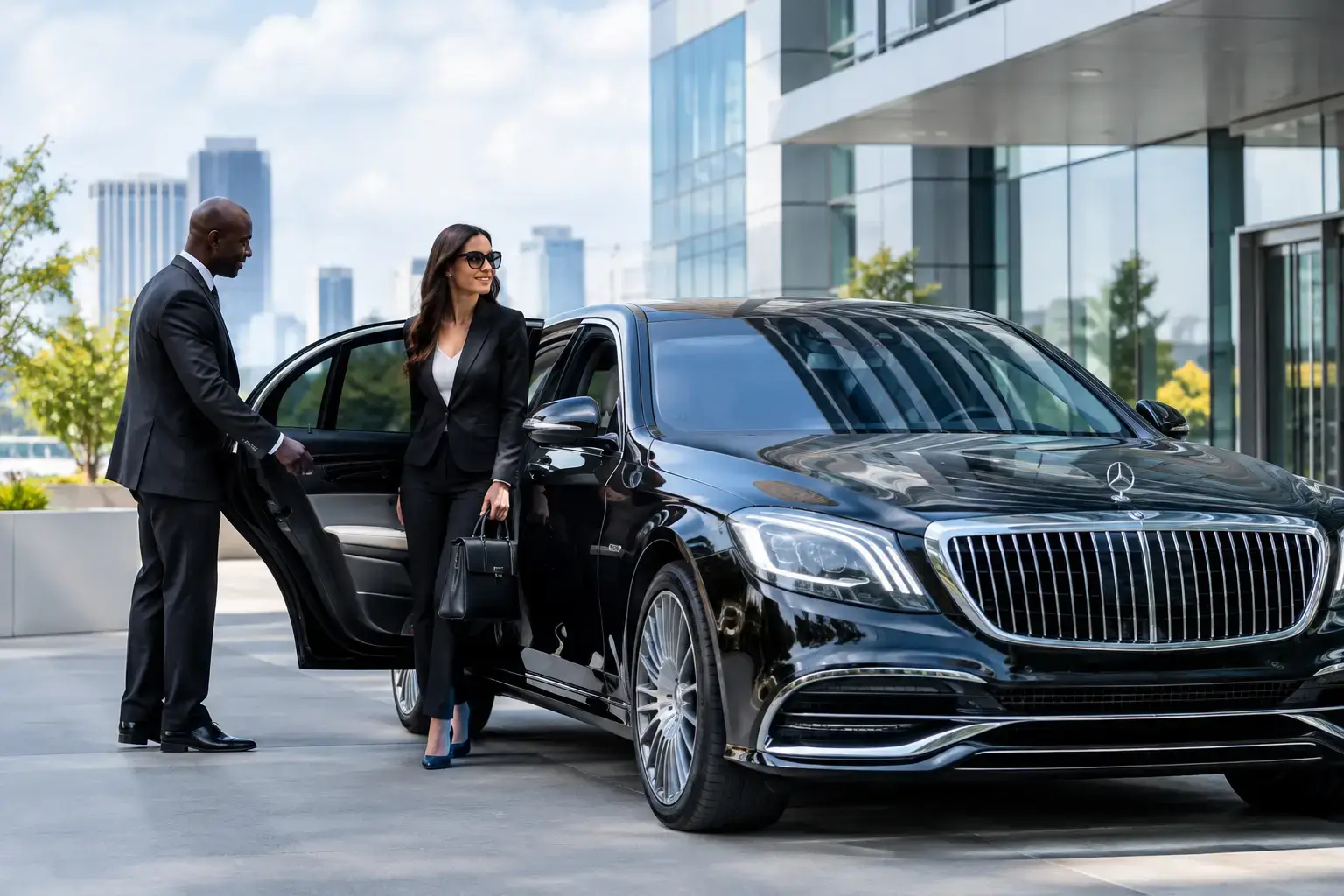
The right roadshow vehicle depends on passenger count, luggage, client-facing expectations, and how the executive intends to use travel time. Bigger is not automatically better. A solo executive who needs a quiet, comfortable cabin may prefer a Mercedes-Maybach S 580 or BMW 750i. A visiting CEO with security, colleagues, or presentation cases may be better served by a Cadillac Escalade, Chevrolet Suburban, or GMC Yukon XL.
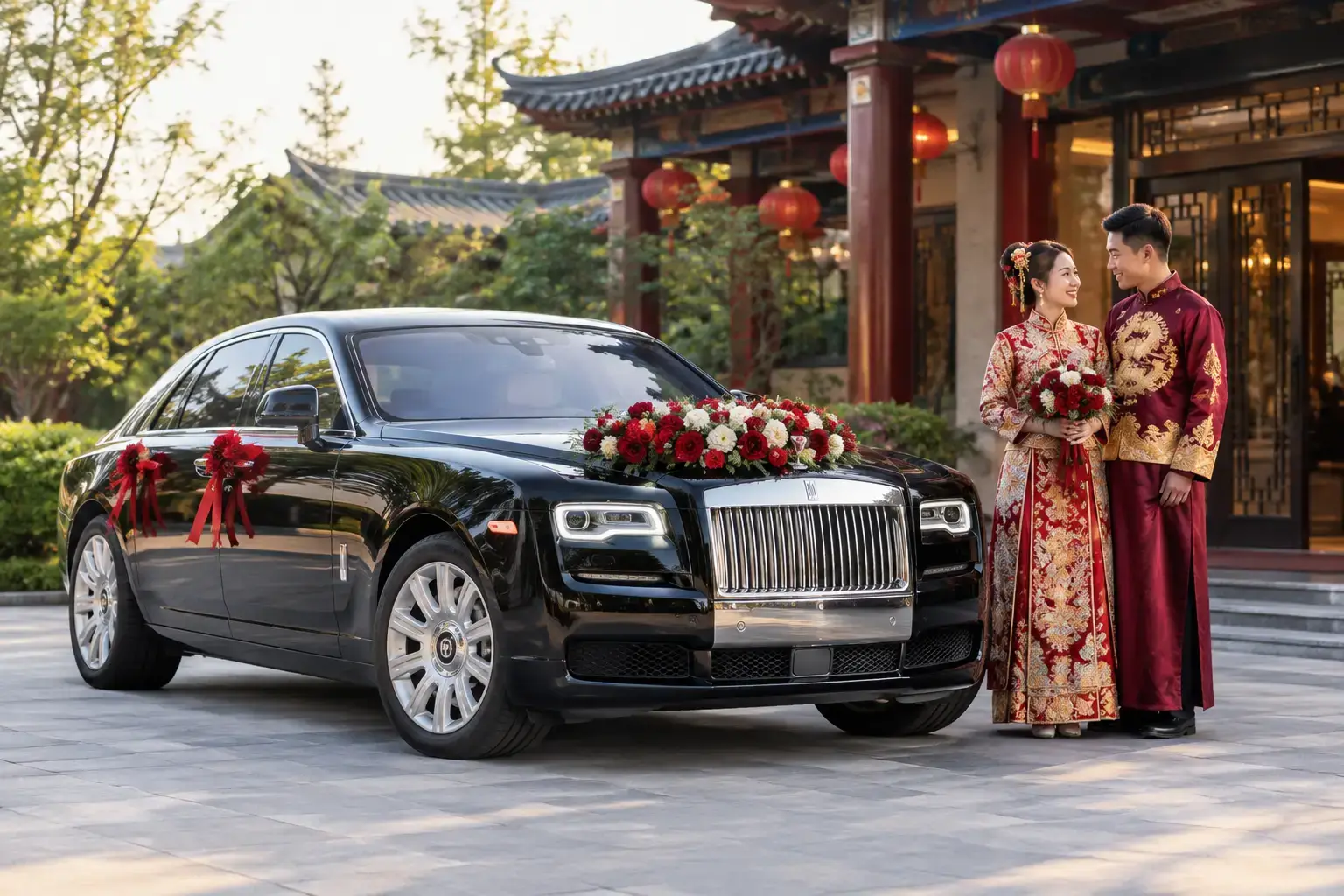
For a highly visible arrival, a Rolls-Royce Ghost, Phantom 8 Series, Phantom Two-Tone, or Cullinan makes a deliberate statement. That can fit a board dinner, investor event, brand appearance, or private client appointment. It may be unnecessary for an internal office circuit where discretion and cabin space matter more than arrival optics.
Small executive groups require a different calculation. A Mercedes Sprinter Corporate accommodates up to 14 passengers and gives a team space to travel together between meetings. The seven-passenger Mercedes Jet Interior Sprinter can suit a smaller delegation that needs a more private group setup. If the roadshow includes a larger visiting team, a 23- or 27-passenger shuttle coach, or a 56-passenger highway coach, may be more practical than dividing the group among multiple SUVs.
Vehicle selection should also consider the final departure. If the day ends at Toronto Pearson YYZ with substantial luggage, an SUV or Sprinter may be a better operational choice than a sedan, even when only one or two passengers are traveling.
Privacy is an operational requirement
Roadshow passengers often discuss financial information, legal matters, personnel decisions, transaction terms, or board-level strategy. Discretion should be built into the booking process, not added as an afterthought.
Provide only the information needed to operate the service: passenger names when required, pickup contacts, itinerary details, and authorized schedule-change contacts. If the booking involves sensitive business, NDA-secured booking is available on request. It is also sensible to establish one point of contact for changes so a chauffeur is not receiving competing instructions from several members of the team.
Privacy also extends to curbside logistics. Some executives prefer the vehicle to approach only when they are ready. Others need the chauffeur positioned at a specific entrance so a guest is not left looking for the vehicle outside a busy office tower. These details are simple, but they prevent avoidable friction during a compressed day.
Give the chauffeur a usable briefing
A chauffeur can only execute the information provided. The itinerary should be concise enough to use in real time and detailed enough to address the points that create delays. Four items are especially useful:
- exact pickup and drop-off entrances, including hotel porte-cocheres, office loading zones, and FBO instructions;
- meeting start times and requested arrival times, which are not always the same;
- the primary contact and the person authorized to approve changes; and
- passenger count, luggage, accessibility considerations, and any security or venue procedures.
A formally dressed, licensed chauffeur should know the plan before the first pickup, while dispatch remains available to manage updates behind the scenes. That division matters when the principal is moving through a packed calendar. The executive should not need to resolve vehicle positioning or explain the next address at every stop.
Plan for changes without pretending they will not happen
Even a tightly organized roadshow can shift. A meeting runs 20 minutes over. A guest asks for a private lunch nearby. A flight arrival moves. The goal is not to promise that nothing will change. It is to create a schedule that can absorb reasonable changes and communicate quickly when a decision is needed.
For that reason, avoid booking each transfer as an isolated trip when the day is clearly a multi-stop program. A single coordinated itinerary gives the chauffeur and dispatcher context. It also makes it easier to assess whether a revised route, pickup time, or vehicle position will affect later commitments.
Roadshow transportation from arrival through departure
Many executive roadshows begin before the first meeting. An international visitor may arrive at Pearson, Billy Bishop YTZ, or a Pearson FBO and go directly to an office, hotel, or board lunch. The arrival plan should account for flight status, terminal procedures, luggage, and a clear meeting location.
The final transfer deserves equal attention. After a full day of presentations, the executive may be heading to a client dinner, Union Station, Pearson, or a private departure. Confirming that final destination in advance avoids a common mistake: treating the end of the last meeting as the end of the transportation plan.
A well-run roadshow is felt in the gaps between meetings. The vehicle is where it should be, the chauffeur knows the next move, and the executive has time to focus on the conversation ahead. Start with the calendar, identify the non-negotiable moments, and build the transportation plan around them.