
A single pickup and drop-off is straightforward. A schedule that starts at a home in Rosedale, includes a church ceremony, a photo session, a family home, and a reception venue requires more planning. So, can a chauffeur service handle multiple stops? Yes, provided the itinerary, passenger count, timing, and vehicle requirements are discussed before the booking is confirmed.
Multiple-stop service is a core part of professional chauffeured transportation. It is commonly used for weddings, executive roadshows, private aviation arrivals, milestone celebrations, Niagara wine country outings, and corporate group movements. The difference is not simply adding addresses to a route. It is building enough time around each stop so the chauffeur, vehicle, and passengers are in the right place when the schedule moves.
How Multiple-Stop Chauffeur Service Works
A multi-stop booking begins with an itinerary. This identifies the pickup location, every planned stop, the expected arrival time, the estimated time spent at each location, and the final destination. If different passengers join or leave along the way, that should be included as well.
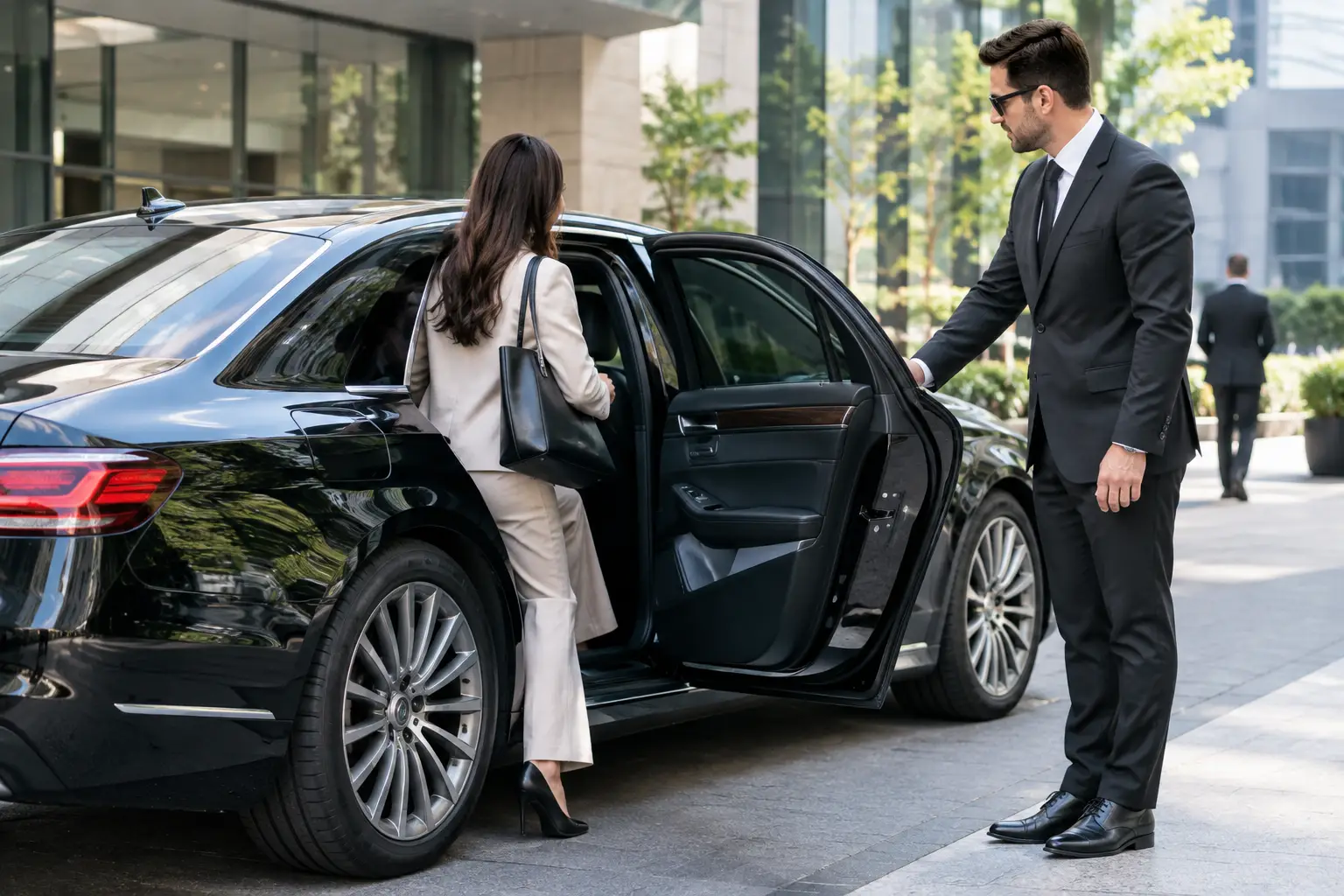
A licensed chauffeur follows the confirmed route, manages vehicle access and luggage, and remains available during the reserved service period. For a short stop, such as picking up a client from an office tower or collecting flowers before a ceremony, the chauffeur generally waits nearby. For longer stops, the plan may account for legal parking, venue access, and the time required to return to the entrance when passengers are ready.
The practical question is not whether there is a limit of two or three stops. It is whether the route can be properly scheduled. A four-stop executive itinerary across Toronto may be simpler than a two-stop route involving a large wedding party, formal photographs, heavy luggage, or distant venues in Hamilton and Niagara-on-the-Lake.
The Details That Shape a Multi-Stop Itinerary
Stop Duration Matters as Much as Distance
A stop can mean very different things. A five-minute document pickup outside a Bay Street office is not the same as a 90-minute tea ceremony, a Sofreh Aghd setup, or a wedding photography session at several locations. The chauffeur service needs the expected duration at each point, including a reasonable buffer for loading passengers and coordinating with venue staff.
Traffic also affects the order of stops. A route through downtown Toronto during weekday business hours may require a different sequence than the same route on a Sunday afternoon. Construction, event road closures, and airport access rules can change the practical travel time even when the mileage appears modest.
For this reason, an itinerary should use real event times rather than optimistic ones. If a ceremony must begin at a fixed hour, the transportation plan should work backward from that time. Arrival at the venue, passenger unloading, photographs at the entrance, and any procession all take time.
Passenger Count Determines the Right Vehicle
The vehicle must fit the group at every stage of the day, not merely the first pickup. A Mercedes-Maybach S 580 or BMW 750i can suit an executive traveling among meetings with one or two colleagues. A Cadillac Escalade, Chevrolet Suburban, or GMC Yukon XL may be more appropriate when luggage, security personnel, or several passengers are involved.
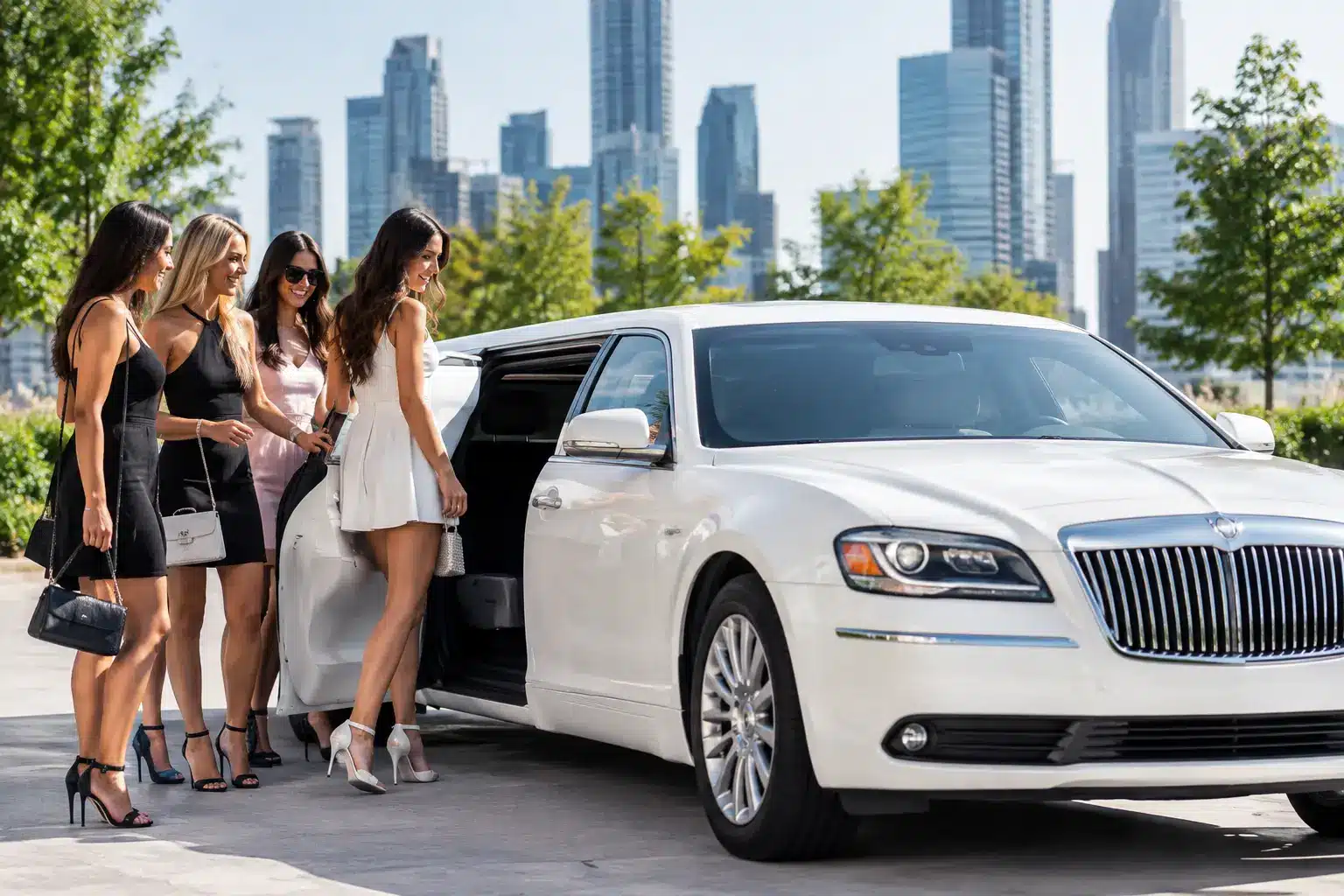
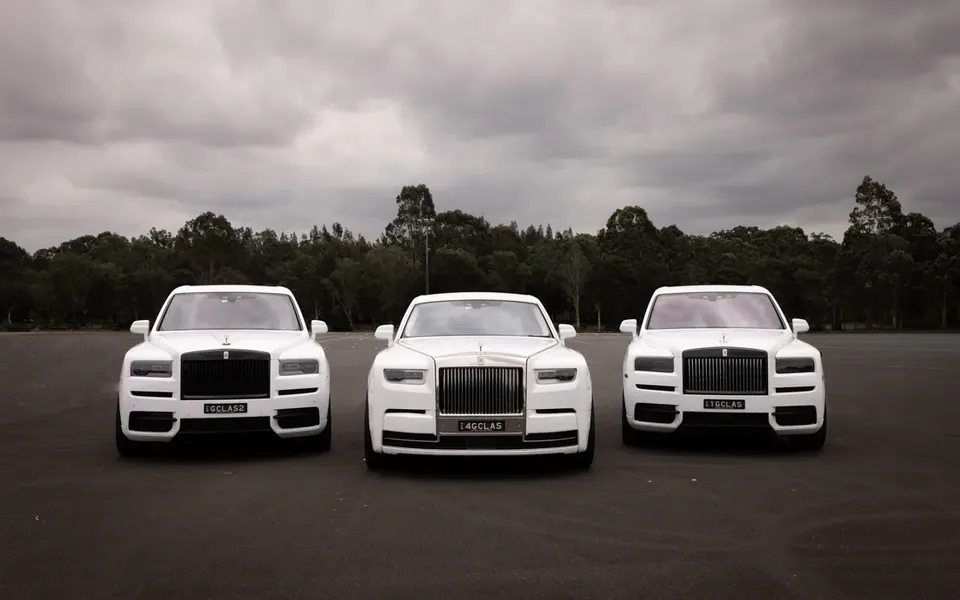
Wedding schedules often require separate vehicles. A Rolls-Royce Phantom Two-Tone, Phantom 8 Series, Ghost, or Cullinan can be assigned to the couple, while a Cadillac Escalade or Hummer H2 Stretch carries the bridal party. A Mercedes Sprinter Limo Style holds up to 14 passengers for family movement between homes, ceremony locations, and reception halls.
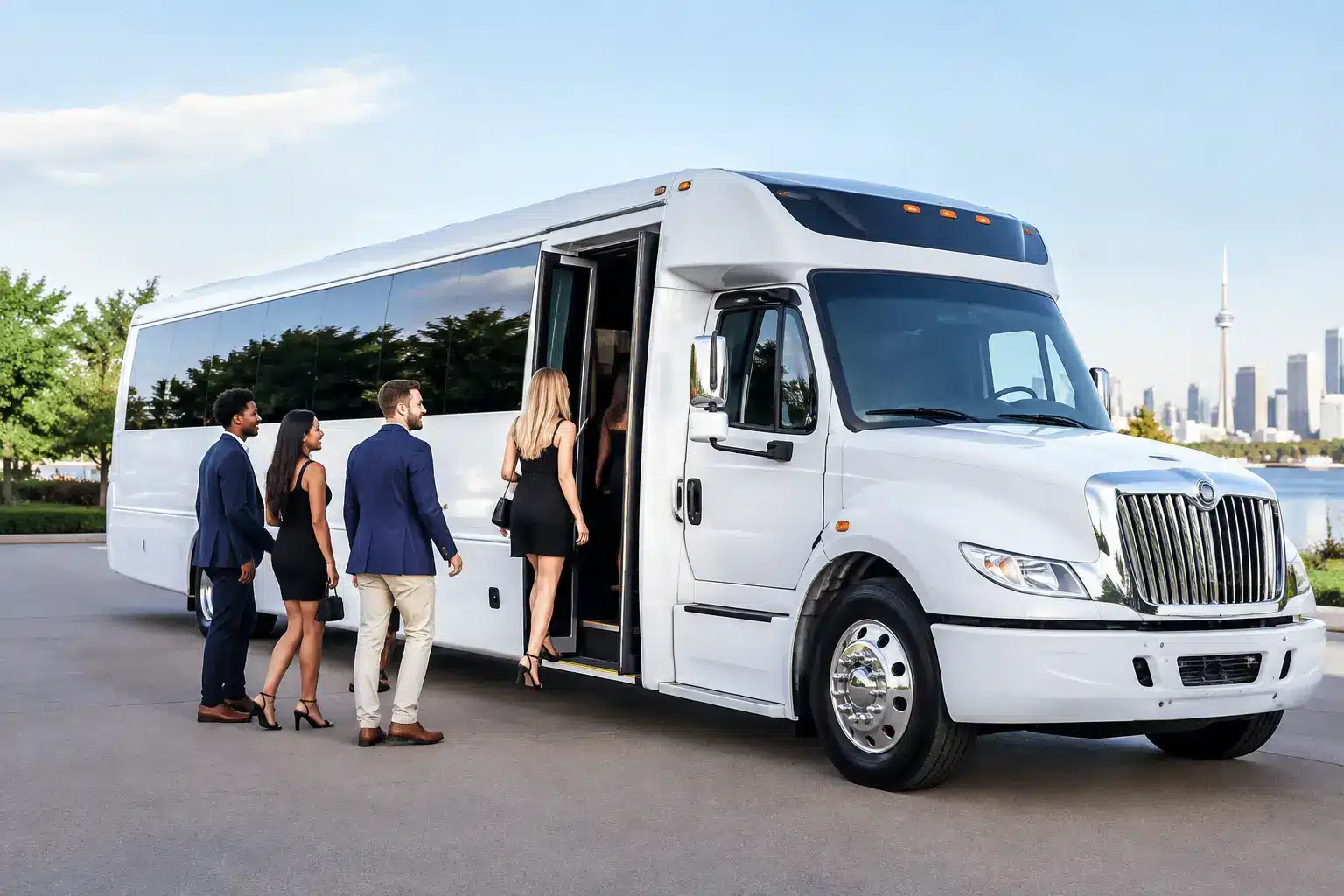
Larger groups need capacity that remains practical through the entire itinerary. Platinum Rides can schedule 22-, 28-, 34-, or 50-passenger party buses, as well as 23- and 27-passenger shuttle coaches and a 56-passenger highway coach. For a corporate event with staggered hotel pickups and a dinner transfer afterward, the right capacity prevents the schedule from becoming dependent on late second trips.
Luggage and Personal Items Need a Plan
Airport and private aviation routes deserve particular attention. An arriving group at Pearson YYZ, Skyservice, Signature Aviation, or Skycharter may have luggage that changes the suitable vehicle. The same applies to wedding attire, gifts, floral arrangements, signage, photography equipment, and cultural ceremony items.
A vehicle can have sufficient seats but insufficient cargo room. Sharing the number of passengers and the likely luggage volume in advance avoids that mismatch. For a group arriving at an FBO and continuing to multiple meetings in Toronto, a Suburban, Escalade, or Sprinter can be selected based on both people and bags.
Common Multi-Stop Situations
Wedding transportation is often the most detailed example. A Punjabi baraat may involve a groom pickup, a procession location, a ceremony venue, photographs, and a reception. A Chinese wedding may include separate family pickups and a tea ceremony before the banquet. Italian church-to-reception logistics can require a planned convoy sequence, while Persian celebrations may need time around a Sofreh Aghd ceremony.
These schedules work best when one person provides the final itinerary and can approve minor timing decisions on the event day. It also helps to distinguish between vehicles that must remain at a stop and vehicles that can reposition or complete another scheduled movement.
Corporate travel has a different rhythm. An executive may need pickup in Yorkville, meetings at several financial institutions, lunch with a client, and an evening flight from Billy Bishop YTZ or Pearson. Here, chauffeur continuity matters. The chauffeur knows the sequence, remains available between meetings, and adjusts the immediate pickup point when building entrances or curb access make the original location impractical.
Longer outings require a more deliberate pace. A Niagara wine country day may include several wineries, lunch, and a Niagara Falls stop before returning to Toronto. A Muskoka cottage transfer may add grocery collection, a marina, or multiple family pickup points. These are suitable itineraries when timing is realistic and the service duration is reserved accordingly.
What to Confirm Before Booking
A useful multi-stop request includes the date, pickup time, all addresses, number of passengers, luggage, preferred vehicle, and estimated duration at each stop. For weddings and large events, include the venue coordinator’s contact information and note any fixed ceremony, photo, or reception times.
It is also worth identifying which stops are firm and which are flexible. A board meeting or flight departure is fixed. A shopping stop, coffee meeting, or scenic photo location may be movable if traffic or an earlier delay affects the schedule. That distinction gives the chauffeur and dispatcher a clear basis for managing the day.
If the route includes a border crossing to Buffalo, Detroit, or another U.S. destination, passengers need proper travel documentation and the itinerary should allow for border processing time. This is not a stop that can be timed to the minute.
Pricing for Multiple Stops
Multiple stops are normally priced according to the full itinerary, vehicle, and reserved time rather than a per-mile calculation. The quote should be confirmed before departure so the client understands the transportation cost in advance. With Platinum Rides, pricing is flat-rate, plus HST and gratuity, with no per-kilometer charges.
Changes can affect the quote when they add substantial distance, waiting time, passenger capacity, or service hours. Adding a nearby five-minute pickup is different from adding a second city, an extended dinner wait, or an unplanned late-night return. The earlier a change is communicated, the easier it is to assess the operational impact.
Can a Chauffeur Service Handle Multiple Stops for Your Event?
Yes, but the quality of the service depends on the quality of the schedule. A well-planned itinerary gives each stop a purpose, allows realistic travel time, assigns the right vehicle, and makes clear who is moving when. It also gives the chauffeur enough information to focus on the road, the timing, and the people in the vehicle.
For an executive agenda, a wedding with several family locations, or a full-day Ontario itinerary, start with the fixed times and build outward. That simple approach turns multiple addresses into a workable plan rather than a series of last-minute decisions.