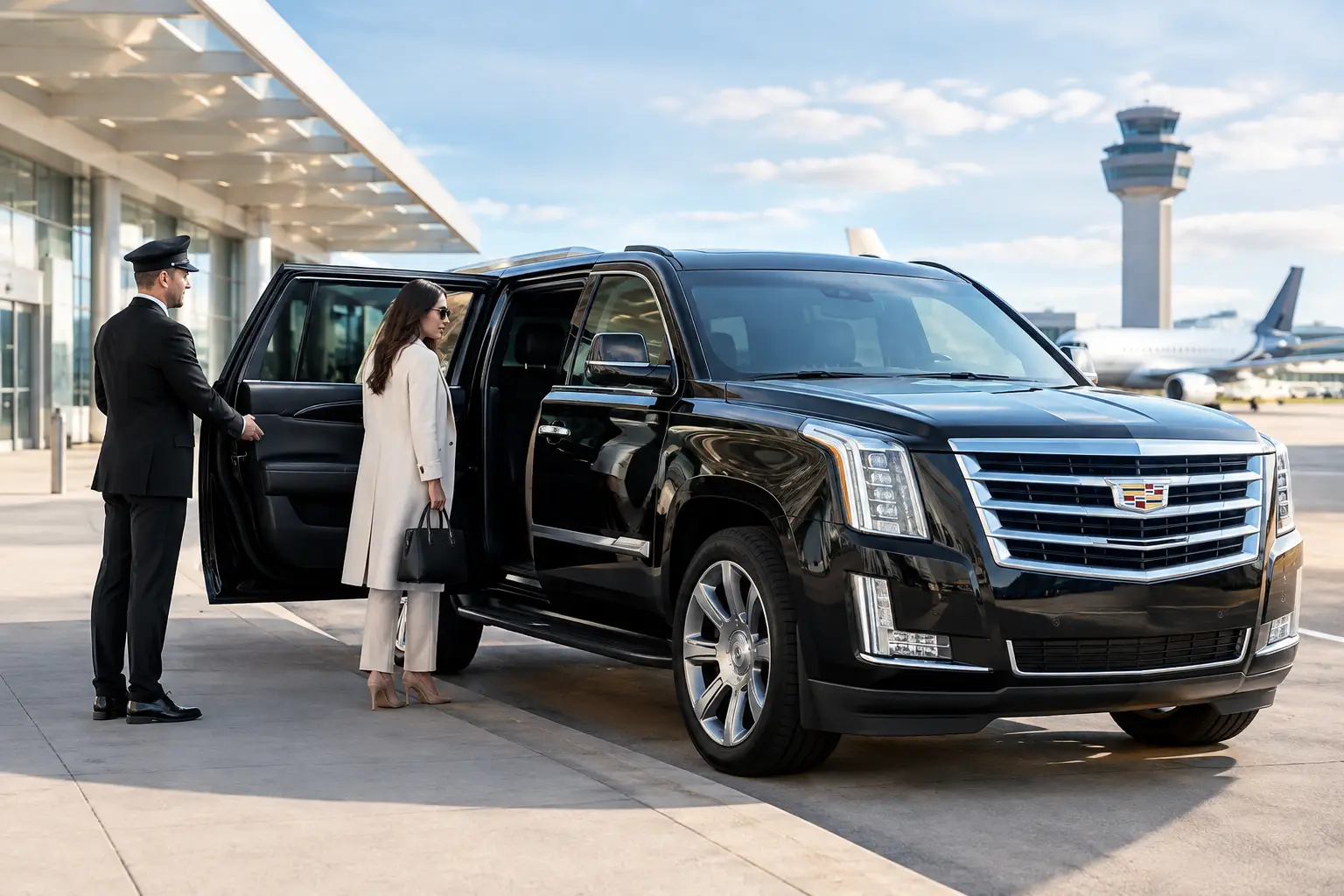


A prom vehicle can be the most visible part of the evening, but prom limo rules matter more than photos. Parents need clear answers about who is riding, where the vehicle is going, what the school requires, and how the chauffeur will manage the schedule. Students need to know that a professional chauffeured booking comes with conduct expectations, not just a playlist and a ride to the venue.
The right plan gives the group room to enjoy the night while keeping decisions clear before the first pickup. For families in Toronto, Mississauga, Brampton, Vaughan, Markham, and beyond, that means discussing the details as a group rather than leaving them to prom night.
Start With the School’s Prom Limo Rules
Every school can set its own requirements for prom transportation and arrival. Some require advance registration of the vehicle, chauffeur, passengers, or drop-off plan. Others specify a designated entrance, a latest arrival time, or whether students may leave the venue and return. A school may also have rules on guest eligibility and parent permission that affect the transportation plan.
Ask the school for its written prom policy before confirming a booking. Do not assume that a vehicle used for a birthday or wedding event will follow the same process for a school function. If the school requests chauffeur or vehicle information, provide that request early enough for the transportation provider to respond accurately.
Parents should also clarify the end-of-night plan. Is the chauffeur collecting students at the same entrance? Is there a school-controlled dismissal process? If an after-prom event is planned, confirm whether it is school-sponsored, who is supervising it, and whether every passenger has parental approval for the additional stop.
Passenger Counts Are a Safety Rule, Not a Suggestion
The passenger count must match the vehicle’s stated capacity. It is not a flexible number based on whether students are willing to sit close together. Overloading affects comfort, safe entry and exit, and the chauffeur’s ability to operate according to the vehicle’s permitted seating.
Build the passenger list before selecting the vehicle, then keep one parent responsible for confirming it. A Hummer H2 Stretch, for example, seats up to 18 passengers, while a Mercedes Sprinter Limo Style accommodates up to 14. Larger groups may be better served by a 22-, 28-, 34-, or 50-passenger party bus, depending on the final headcount and itinerary.
There is a trade-off here. A larger vehicle can keep a full friend group together, but it may be harder to access certain residential driveways or narrow pickup locations. Multiple vehicles can simplify those locations and make the passenger list easier to manage. The practical choice depends on the group size, pickup pattern, and school arrival instructions.
Keep the Manifest Final
Last-minute additions are one of the most common sources of confusion. A final passenger manifest should include each student’s name, pickup address, parent or guardian contact, and any approved stops. If someone is not on the list, parents should decide in advance whether changes are permitted and who has authority to approve them.
Students should not negotiate extra passengers directly with the chauffeur. The chauffeur follows the confirmed booking details and vehicle capacity, which protects everyone in the group.
No Alcohol, Drugs, or Smoking
Prom transportation is not an exception to conduct rules. There is no alcohol on prom bookings. Parents and students should expect a firm no-alcohol policy, including no concealed containers or attempts to bring alcohol into the vehicle. Sparkling juice is an appropriate option for a celebratory toast or photographs.
Illegal drugs, vaping, smoking, and any behavior that damages the interior are also unacceptable. These rules are not about taking away the occasion. They protect student safety, keep the vehicle suitable for the group, and prevent a prom night from becoming a disciplinary or legal issue.
It is helpful when parents state these expectations plainly before departure. A group chat can organize photos and pickup times, but it should not replace a direct conversation about conduct. Students are more likely to follow the rules when there is no ambiguity about what will happen if someone disregards them.
Plan the Route and Stops Before Departure
A prom schedule often includes more than home pickup and school drop-off. Families may want photos at a park, a waterfront location, or a neighborhood gathering point. Those stops should be listed when the reservation is made, along with the intended time at each location.
Avoid creating a route that leaves no margin for traffic, photo delays, or a slow final pickup. The goal is not to fill every minute. It is to arrive at the school within its required window without asking the chauffeur to rush or improvise.
For groups collecting students from several homes, a central meeting location can reduce the number of stops. It is especially useful when homes are spread across neighborhoods or when parents want to see the full group depart together. On the other hand, door-to-door pickup may make more sense for a small group with a straightforward route. Discuss both options with the chauffeur service before the itinerary is finalized.
Confirm the Return Plan
The return trip deserves the same attention as the arrival. Confirm the estimated event end time, the exact pickup point, the order of drop-offs, and the contact person if the schedule changes. Students should keep their phones charged, but parents should not rely solely on student phones for critical coordination.
A responsible adult should have the chauffeur service’s booking contact and the final itinerary. The chauffeur should also have a parent or guardian contact, rather than only one student’s number. That creates a clear line of communication if the school releases students later than expected or changes the pickup area.
Respect the Chauffeur’s Role
A chauffeur is responsible for safe, professional transportation, not for supervising a party. Parents remain responsible for their teenagers’ conduct and for approving the people and places included in the plan.
Students should treat the chauffeur with basic respect: be ready at the agreed pickup time, follow directions when entering and exiting the vehicle, keep aisles and doors clear, and avoid distracting the driver. Standing through the cabin, roughhousing, throwing items, or interfering with controls creates risks that can require the vehicle to stop.
At Platinum Rides, every prom booking includes a formally dressed, licensed chauffeur. That professional presence helps keep the schedule organized, but it works best when the group understands the boundaries before the evening begins. A chauffeur can follow the confirmed route, manage timely pickups, and address vehicle safety. They should not be put in the position of resolving disagreements among passengers or deciding whether an unapproved stop is acceptable.
Understand Pricing and Time Commitments
Parents should receive the flat rate before departure, along with HST and gratuity. Ask what time period is reserved, where the booking begins and ends, and how additional time or itinerary changes are handled. A clear written confirmation prevents misunderstandings about photo stops, waiting time, or a late school dismissal.
Do not choose a vehicle based only on its appearance. A Rolls-Royce Ghost may be right for an individual prom arrival or a couple, while a stretch limousine or Sprinter is designed for a group. The vehicle should suit the number of passengers and the actual evening plan.
A Good Prom Ride Begins With Clear Expectations
Prom is a milestone, and students should be able to enjoy the photos, friends, and anticipation that come with it. The adults involved can make that possible by setting the passenger list, school requirements, route, return plan, and conduct rules well before the vehicle arrives. When everyone knows the plan, prom night can stay focused on the celebration rather than last-minute decisions.