
A roadshow can lose momentum in the space between meetings. A delayed pickup at Pearson, an underestimated drive from Bay Street to Mississauga, or a vehicle that cannot accommodate luggage and three colleagues changes more than the itinerary. It changes how prepared the day feels. To schedule executive roadshow transport properly, the transportation plan needs to be built around the meeting sequence, decision-makers, and real loading conditions rather than a list of addresses.
For investor meetings, site visits, legal proceedings, executive recruiting, or a multi-city corporate program, transportation is an operational item. The vehicle, chauffeur, timing, and communication process should support the schedule without becoming another item for an executive assistant or event manager to manage during the day.
Start with the Roadshow Schedule, Not the Vehicle
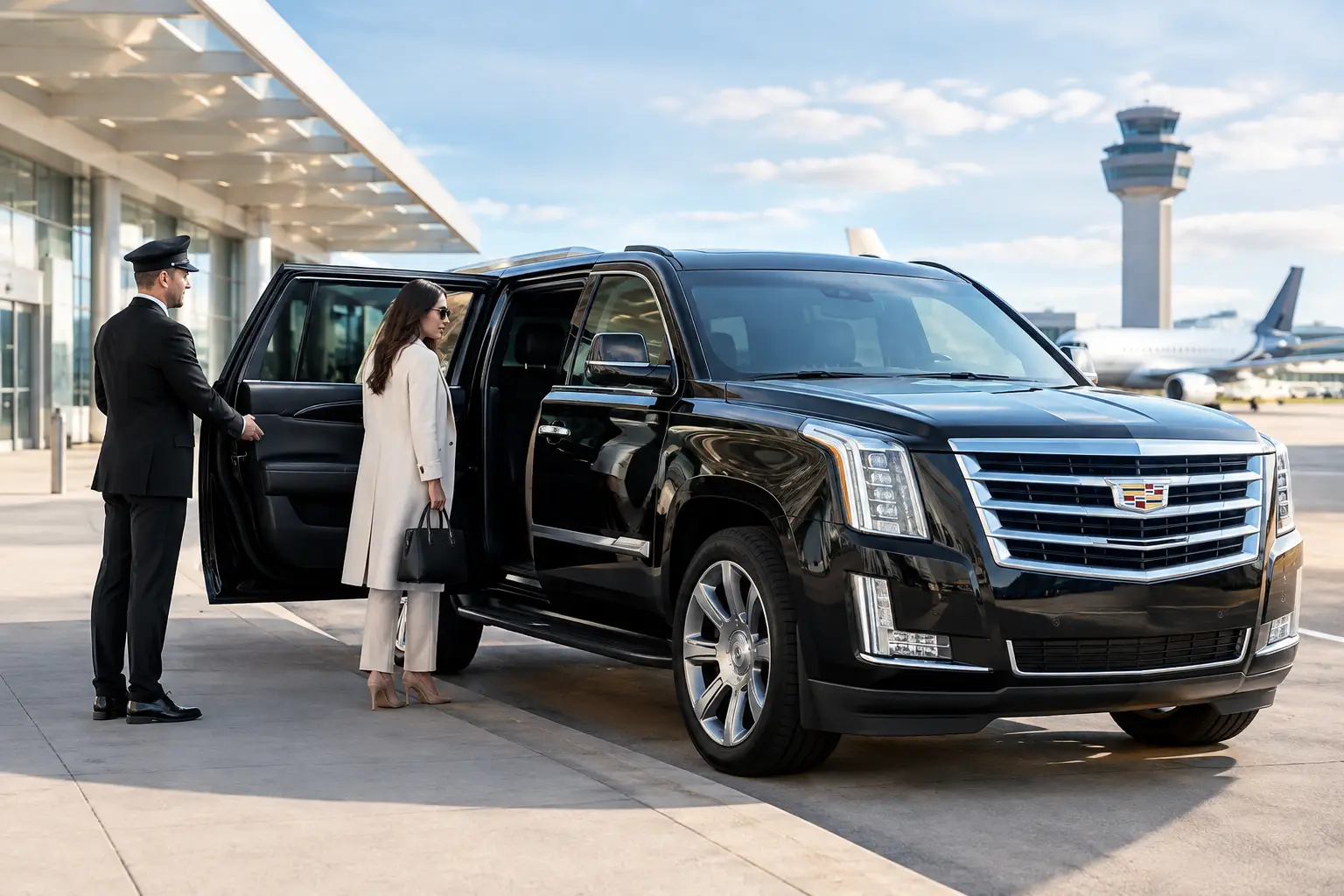
The most common planning mistake is selecting a vehicle before the route is defined. A Cadillac Escalade may be the appropriate choice for a visiting executive, but the decision should follow the number of passengers, luggage requirements, working needs, and total time on the road. A Mercedes-Maybach S 580 may suit one principal traveling between Toronto meetings, while a Chevrolet Suburban or GMC Yukon XL gives a small team additional room for bags, presentation materials, and airport arrivals.
Build the itinerary in the order the day will actually happen. Include pickup location, every meeting address, requested arrival time, expected meeting duration, and the final destination. If the program begins at Skyservice, Signature Aviation, or Skycharter at Pearson, provide the FBO terminal rather than simply listing YYZ. Private aviation arrivals require a different curbside plan from commercial terminal pickups.
At minimum, the booking coordinator should identify:
- The names and mobile numbers of the lead contact and any on-site coordinator
- Passenger count, luggage volume, and whether confidential calls may occur in transit
- Each address, requested arrival time, and realistic meeting end-time window
- Building access details such as security desks, private entrances, loading zones, or underground parking restrictions
- Any fixed commitments that cannot move, including a flight departure, board meeting, or client dinner reservation
A roadshow schedule should leave room for the variables that do occur: a meeting that runs long, a security line at a tower, construction near the Gardiner, or traffic around an event venue. Padding needs to be intentional. Too little creates pressure. Too much can make executives wait unnecessarily. The right amount depends on the route, time of day, parking limitations, and how fixed the next meeting really is.
Schedule Executive Roadshow Transport Around Decision Points
Not every stop carries equal weight. A 9:00 a.m. board presentation and a 3:00 p.m. airport departure should be treated as protected times. Meetings in between can have more flexibility. This distinction helps the chauffeur dispatch team and the internal coordinator make sound adjustments if the day shifts.
For a Toronto financial district roadshow, morning traffic patterns and building access deserve special attention. A sequence that looks efficient on a map may not be efficient when one stop requires a lobby check-in, another has limited curb access, and a third is near a construction zone. The plan should prioritize arrival readiness, not just driving distance.
The same principle applies to regional schedules. A corporate team traveling from Toronto to Waterloo, Cambridge, Guelph, Hamilton, or Niagara-on-the-Lake needs a route that considers highway conditions, meal timing, and the length of each stop. For longer assignments, such as Toronto to Kingston, Ottawa, or Montreal, confirm whether the principal needs quiet time to work, space for additional travelers, or a separate luggage vehicle.
A good schedule also identifies the moments when a chauffeur should remain nearby versus repositioning. If a meeting may finish early, keeping the vehicle close can be the right choice. If the meeting has a firm two-hour duration and the area has restricted parking, a planned reposition may be more practical. This is not a fixed rule. It depends on the neighborhood, the vehicle, and the consequence of a late curbside return.
Choose a Vehicle That Fits the Working Day
Executive roadshow transport is not always about using the largest or most formal vehicle available. The vehicle should match the assignment.
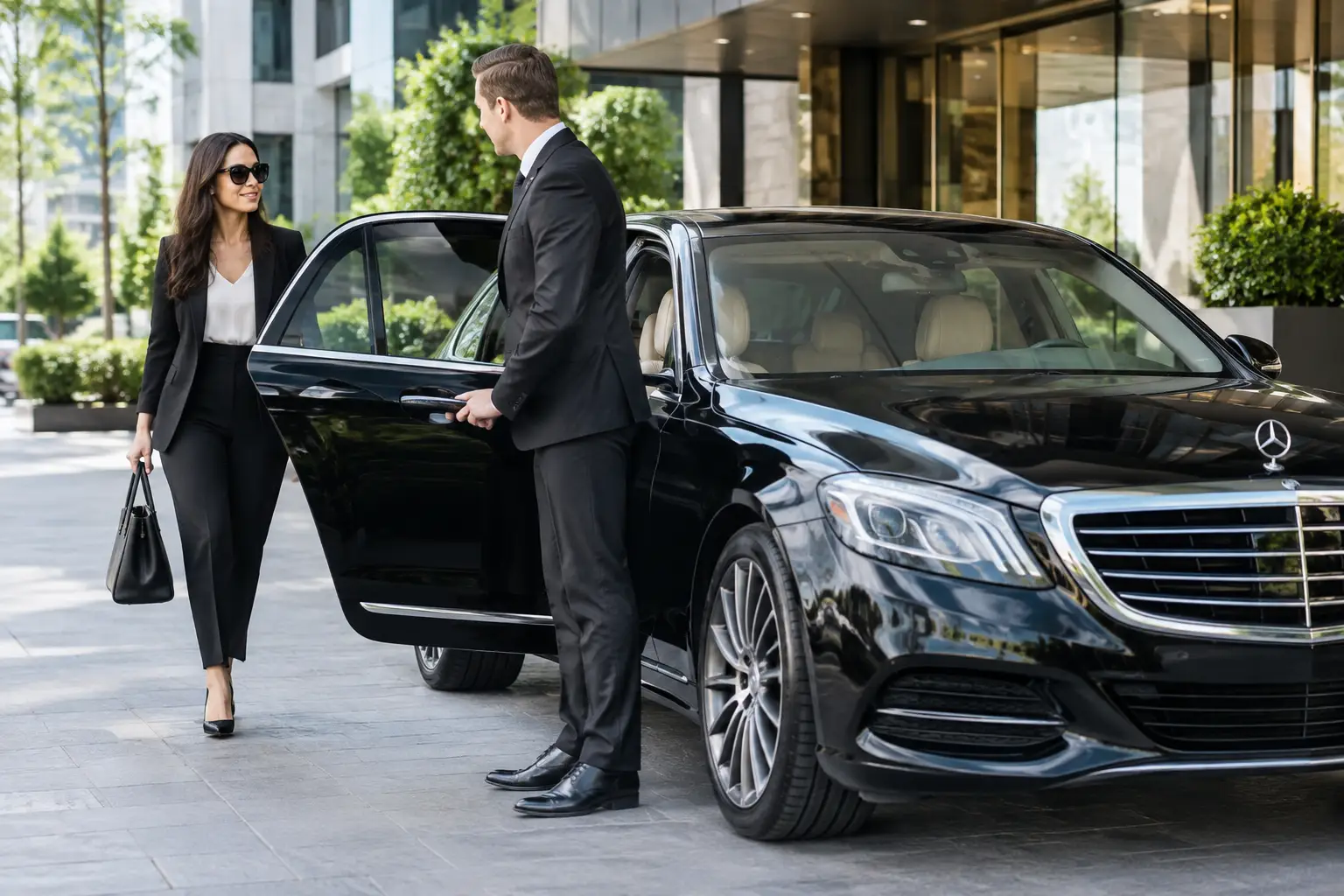
For one executive or a principal with one companion, the Mercedes-Maybach S 580 offers a composed setting for airport transfers, investor meetings, and confidential point-to-point travel. The BMW 750i is another suitable sedan option for executive itineraries. For visitors arriving with luggage, security personnel, or a small working team, the Cadillac Escalade, Chevrolet Suburban, and GMC Yukon XL offer useful capacity without splitting the group.
For a larger delegation, the Mercedes Sprinter Corporate seats up to 14 passengers and is practical for moving a team between multiple office locations. The Mercedes Jet Interior Sprinter seats up to seven passengers and can suit a smaller executive group that requires a more private cabin arrangement. A 23-, 27-, or 56-passenger coach is more appropriate when the roadshow includes a large corporate delegation, conference attendees, or plant-visit guests.
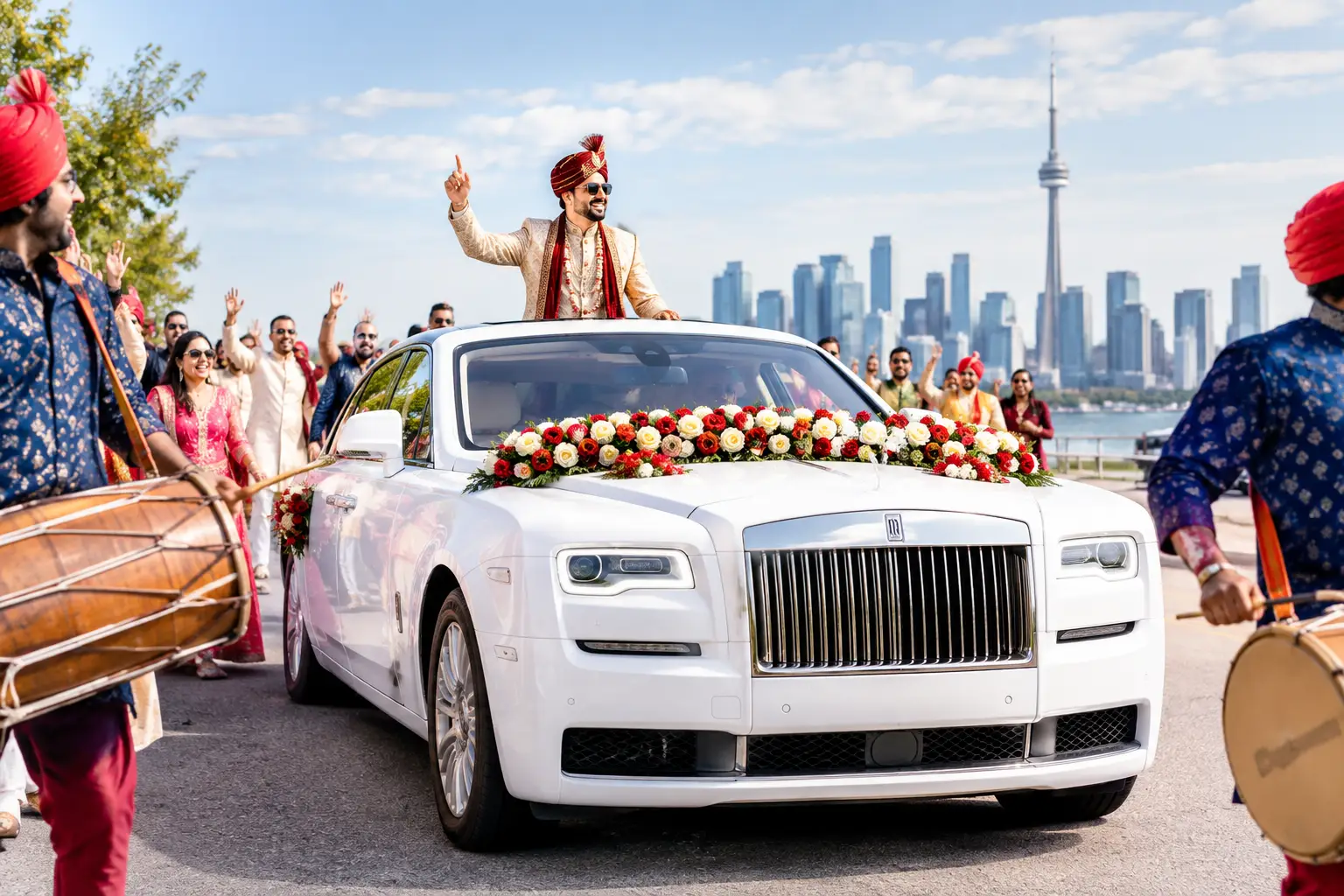
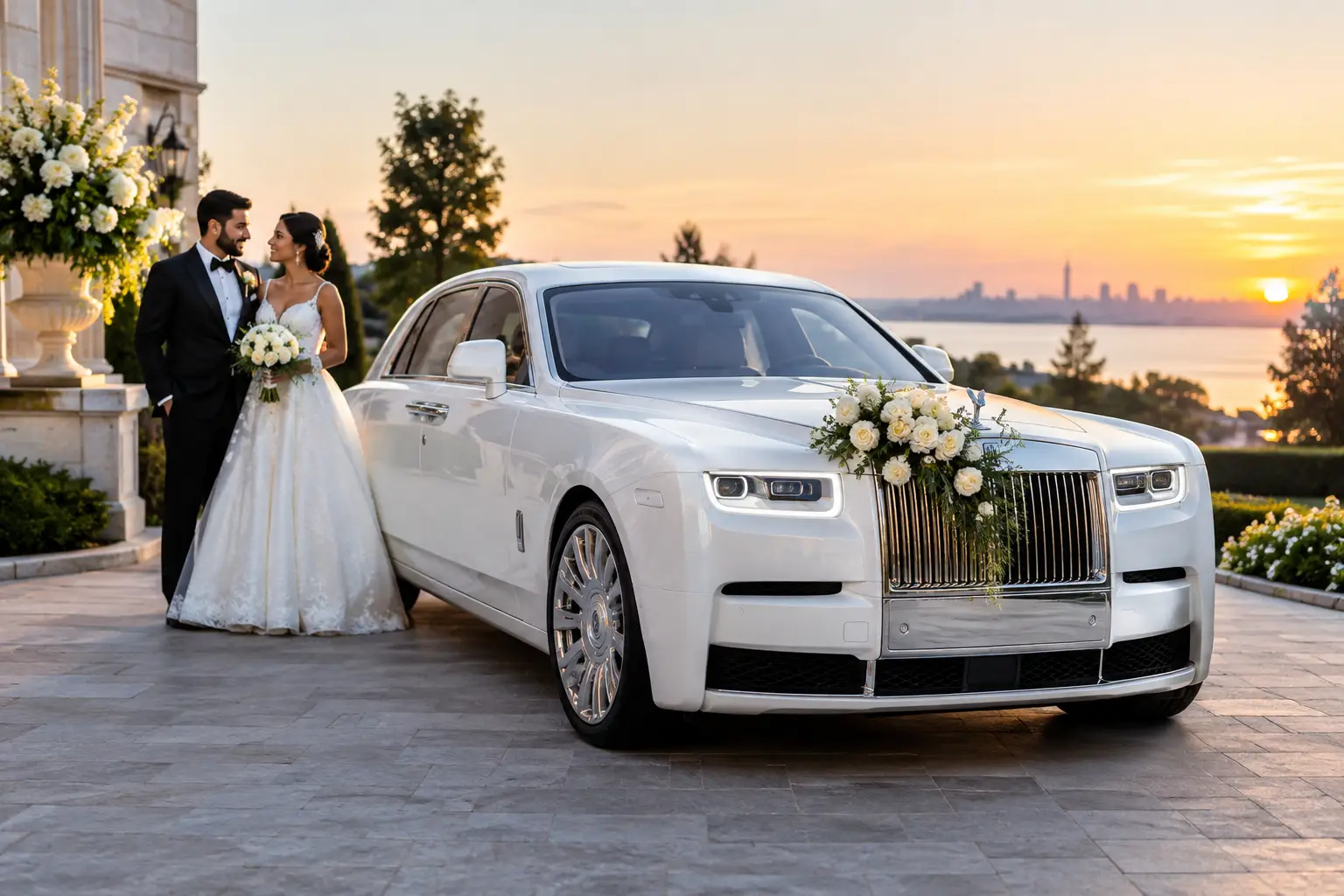
Vehicle choice also involves image. A Rolls-Royce Ghost or Rolls-Royce Cullinan may be suitable when hosting a principal client, private aviation guest, or senior executive whose program includes formal arrivals. It should be selected because it fits the occasion and passenger requirements, not because it is assumed to improve every business trip.
Every Platinum Rides booking includes a formally dressed, licensed chauffeur. For corporate teams, that matters because the person coordinating the program has a clear point of accountability for pickup timing, route changes, and passenger movement.
Confirm Communication and Privacy Before Departure
Roadshow schedules evolve. A client may ask for an unscheduled stop. A meeting may move from a downtown office to a hotel suite. An executive may need to depart directly for Billy Bishop instead of returning to the original drop-off point. These changes are easier to manage when the booking includes one authorized decision-maker and a direct method for communicating updates.
Before the first pickup, confirm who can approve changes, whether assistants should receive chauffeur updates, and what information should remain private. NDA-secured booking is available on request for assignments involving sensitive corporate matters. Even when an NDA is not required, passenger names, travel details, and meeting locations should be handled with appropriate discretion.
It is also useful to distinguish between “ready at” and “pickup at.” A chauffeur may be in position before the scheduled passenger departure time, while the itinerary records the time the executive is expected to enter the vehicle. This small clarification prevents confusion when a calendar runs tightly.
Use Flat-Rate Pricing to Keep the Itinerary Clear
A roadshow budget is easier to manage when transportation pricing is confirmed before departure. Platinum Rides provides a flat rate plus HST and gratuity, with no per-kilometer charges. That structure is particularly useful for long-distance corporate assignments, where the itinerary may cover several cities in one day.
The coordinator should still ask how schedule changes affect the original booking. Extra stops, substantial waiting time, late-night extensions, an additional vehicle, or a route that changes from Toronto to Buffalo or Detroit may require revised planning. Confirming these points early is more useful than assuming that every change fits within the initial scope.
Corporate accounts with monthly invoicing can also simplify administration for organizations that arrange recurring executive transportation. For a one-day roadshow, however, the priority remains the same: a confirmed plan, clear contacts, and a vehicle appropriate for the people being moved.
Build a Plan That Can Absorb a Real Business Day
The strongest roadshow itinerary is not the one with the most tightly packed calendar. It is the one that protects the meetings that matter, allows for real travel conditions, and gives the executive a composed place between obligations. Share the full schedule early, identify what cannot move, and leave enough room for the day to unfold without turning transportation into a distraction.