


How to Plan Wedding Transportation Right
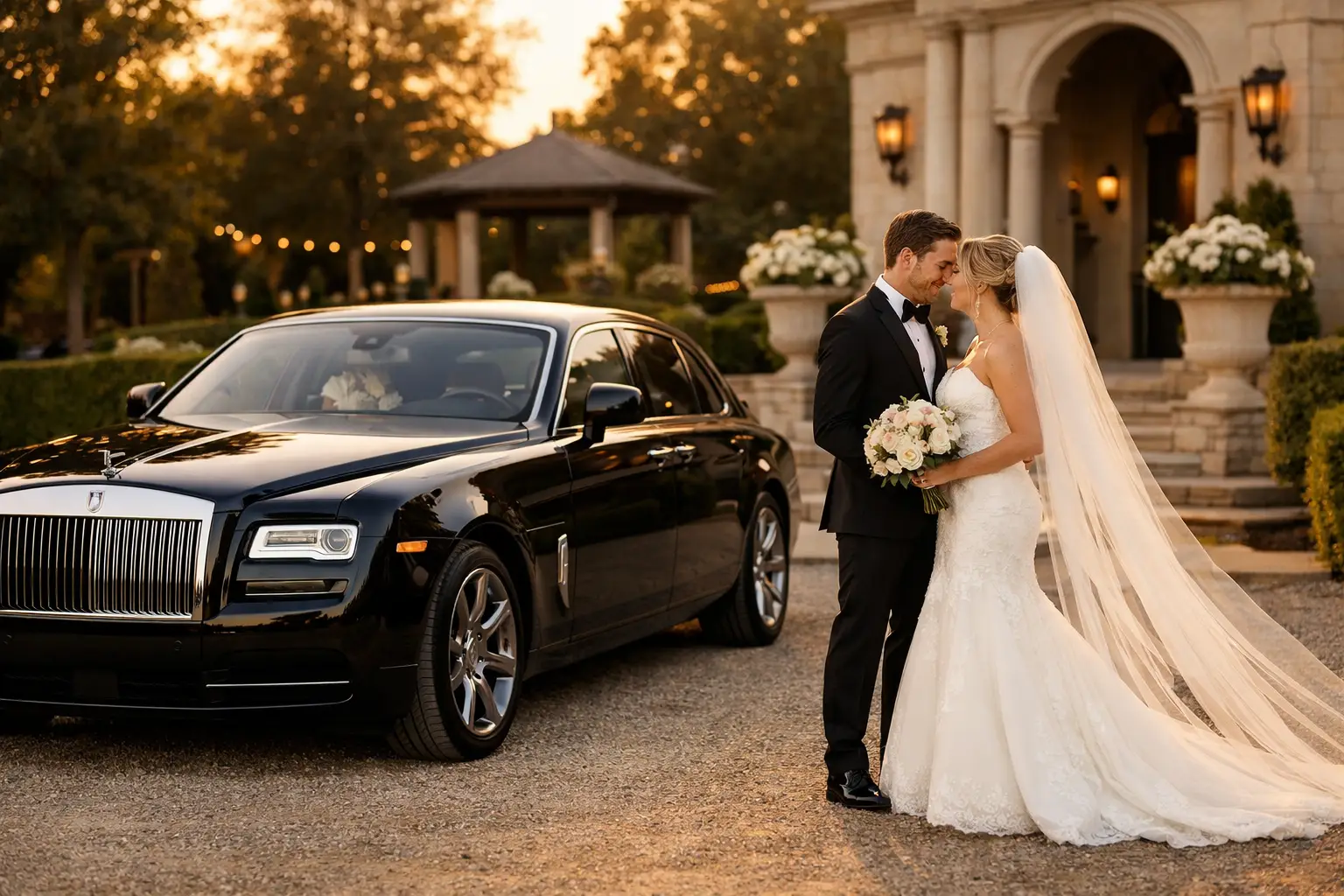
A wedding day rarely runs late because of one big mistake. More often, it slips because nobody accounted for the 18 minutes between the hotel and the church, the extra stop for tea ceremony photos, or the fact that grandparents should not be climbing into the same vehicle as a dancing bridal party. That is why knowing how to plan wedding transportation matters early, not two weeks before the date.
Transportation is not just about arriving. It affects timing, photos, family coordination, and how calm the day feels. If your wedding includes multiple locations, cultural ceremonies, elderly relatives, or a larger bridal party, the vehicle plan becomes part of the event plan.
How to plan wedding transportation from the timeline backward
The cleanest way to build transportation is to start with the first immovable moment of the day. That might be a church ceremony, a Hindu muhurat, a Nikkah time, a Sofreh Aghd setup, or a reception entrance. Once that anchor is fixed, work backward and identify every movement that must happen before it.
That includes hair and makeup departures, first look timing, family pickups, ceremony arrivals, photo locations, and reception transfers. If the day spans homes, hotels, religious venues, parks, and banquet halls, each leg needs its own loading time, travel window, and buffer.
A common mistake is using GPS drive times as if guests and wedding parties move like individual commuters. They do not. A bridal gown takes time to load. A large family group takes time to gather. A baraat or convoy changes the pace entirely. Build in waiting and boarding time, not just road time.
Identify who actually needs chauffeured transportation
Not every guest needs a vehicle, and not every person should be grouped together. Start by separating the day into people groups: the couple, bridal party, immediate family, elderly relatives, and guest shuttle passengers if your ceremony and reception are in different places.
The couple usually needs the most deliberate vehicle choice because that car appears in photos and sets the tone for arrivals. For some weddings, that means a Rolls-Royce Phantom or Ghost. For others, especially where extra height, easier entry, or additional room matters, an SUV such as a Cadillac Escalade or Rolls-Royce Cullinan makes more sense.
Bridal parties need a different calculation. A stretch limousine looks right for some wedding styles, but a Sprinter or party bus may handle dresses, bouquets, and movement more efficiently. Immediate family often benefits from separate executive SUVs or sedans so they are not delayed by bridal party timing.
Choose vehicles based on function, not just appearance
This is where many couples overspend in one place and underplan in another. The hero car for the couple matters, but the less visible vehicles can have a bigger effect on the day.
A vintage car may photograph beautifully, but it may not be the ideal choice for a long multi-stop schedule or for a bride with a large gown. A stretch vehicle may fit the bridal party, but it may not be practical for a venue with tight access or a photo route with multiple urban stops. A Sprinter can be easier for loading and unloading, especially for mixed-age family groups.
For larger multicultural weddings, the strongest plan is often a mixed fleet rather than matching vehicles. The couple might use a Rolls-Royce Phantom Two-Tone or Cullinan, the bridal party might ride in a Hummer H2 Stretch or Mercedes Sprinter Limo Style, and family members might be placed in an Escalade, Suburban, or corporate Sprinter. That split keeps the visual impact where it counts while still handling people efficiently.
Match the vehicle to the ceremony style
Some wedding formats have transportation needs that are easy to underestimate. A Punjabi baraat requires room for staging, procession timing, and clear coordination around the groom’s arrival. A Chinese tea ceremony often means multiple residential stops before the formal ceremony begins. Italian church weddings often involve tight sequence changes between church departure, photo session, and banquet hall entrance.
When ceremonies involve cultural traditions, transportation cannot be treated as generic event service. The chauffeur team needs a clear order of movement, not just addresses.
Build realistic pickup and route plans
Once you know who is traveling and in what vehicles, map each movement in plain language. Who is being picked up first? Who can travel together? Which stops are mandatory, and which are optional if the day runs tight?
Try to avoid overloading one vehicle with too many purposes. For example, if the same stretch limo is assigned to collect bridesmaids, take the couple to photos, hold personal items, and then move parents to the reception, delays become almost certain. Dedicated roles work better.
Route planning also depends on day and location. Downtown church and hotel schedules need more curbside discipline than country estate weddings. A venue with narrow drive access may require smaller support vehicles for part of the party. If your ceremony and reception are in different cities, flat-rate long-distance planning becomes even more important because you want confirmed pricing and a clear operating window before the day starts.
Add buffer where delays actually happen
Most delays happen at pickup and departure points, not on the highway. People are finishing makeup, greeting relatives, fixing clothing, gathering flowers, or searching for phones. Add extra minutes at every boarding point, especially for the couple and immediate family.
Photo schedules also need room to breathe. If your photographer says 45 minutes, transportation should not be planned to the minute around that number. Give the schedule enough margin that the couple is not watching the clock through every portrait.
Think beyond the couple’s car
Couples often focus heavily on their own arrival vehicle and leave guest movement as an afterthought. That works for smaller single-location weddings. It does not work well when the ceremony, cocktail hour, and reception are split, or when many guests are coming from hotels.
Guest shuttles are especially useful when parking is limited, when alcohol is being served at the reception, or when out-of-town family members are unfamiliar with the area. A 23-passenger or 27-passenger shuttle coach can be enough for a concentrated hotel block. Larger weddings may need a 56-passenger coach or multiple rounds, depending on venue timing and guest count.
Family transport deserves its own planning. Elderly relatives, VIP family members, and anyone involved in early ceremonies should not be left to arrange their own arrival if their timing affects the schedule.
Ask the right questions before booking
If you are comparing transportation providers, focus less on polished sales language and more on operating facts. Ask whether the company owns the vehicles or subcontracts them. Ask whether chauffeurs are direct employees. Ask how pricing is structured and whether the quote is flat-rate or variable.
For weddings, flat-rate pricing confirmed before departure is easier to manage than open-ended billing. It gives the couple and planner a clear number and avoids confusion around distance, waiting time, or traffic assumptions.
You should also ask who will manage schedule changes on the day, what vehicle substitutions look like if needed, and how the company handles multi-vehicle coordination. These are practical questions, but they tell you a lot about whether the service is built for weddings or simply accepts wedding bookings.
A company like Platinum Rides, with owned vehicles and directly employed chauffeurs, has more control over dispatch, consistency, and presentation than an operation piecing together a wedding through outside cars. For an event with fixed ceremony times, that distinction matters.
How to plan wedding transportation for photos and presentation
Transportation affects the visual side of the wedding more than people expect. The arrival vehicle appears in video coverage, portraits, venue entrances, and family memory. But presentation is not only about the hero shot.
A clean black SUV for parents can look more organized than squeezing everyone into one oversized vehicle. A classic car can add character, but if the schedule is tight, a modern sedan or SUV may be the better primary vehicle with the vintage model reserved for photos. It depends on whether the car is serving the timetable, the imagery, or both.
If photos with the vehicle matter, tell the transportation company in advance. That changes parking, timing, and sometimes even which side of the venue the chauffeur approaches from.
Final checks for the week of the wedding
In the last week, confirm names, mobile numbers, pickup addresses, ceremony times, and who has authority to approve day-of changes. Share the transportation schedule with the planner, photographer, and a family point person. If there are children, elderly passengers, or ceremonial items moving between venues, note that clearly.
Then stop adjusting. A solid transportation plan works because the major decisions were made early, the vehicles were matched to the day, and the timeline left room for real people to move through it.
The right plan does not call attention to itself. It simply keeps the wedding moving the way it should.


Leave a Reply