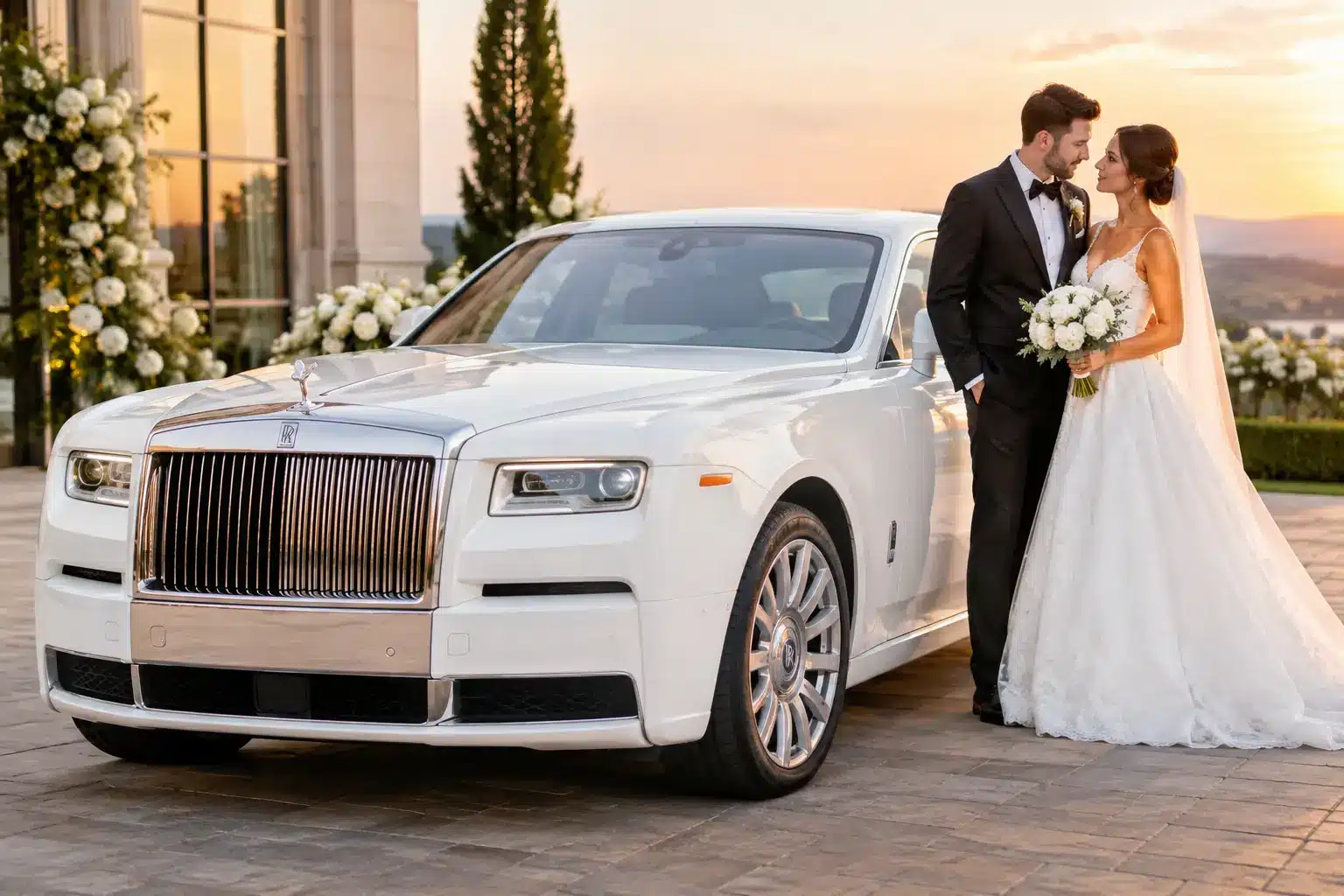

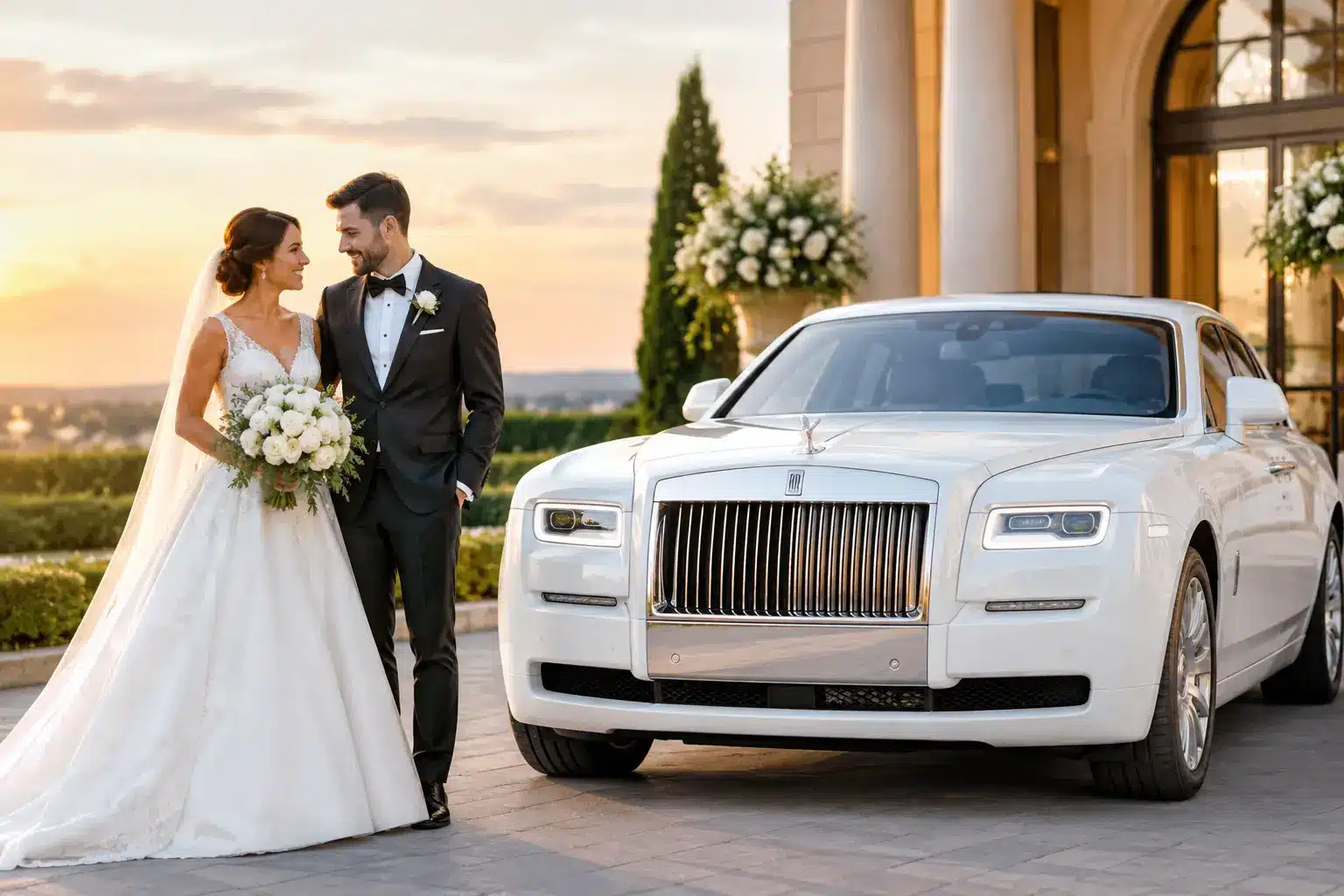
A wedding vehicle is not just a photo backdrop. It has to arrive at the right address, accommodate the people assigned to it, wait through the moments that run long, and move safely between every part of the day. Choosing a wedding limo company is therefore an operations decision as much as a style decision. The right choice comes from matching the chauffeur service to your schedule, ceremony traditions, passenger count, and venue access.
Start With the Chauffeur Service, Not the Vehicle
A polished vehicle matters, but it cannot compensate for poor coordination. Ask whether every booking includes a licensed, formally dressed chauffeur and who will manage timing changes on the wedding day. A professional chauffeur service should confirm pickup points, contact numbers, route order, waiting periods, and the name of the person authorized to make changes.
This is especially relevant when the couple, wedding party, and family travel separately. The person coordinating the church departure may not be the person coordinating a hotel pickup or reception entrance. Give the company one primary contact and a backup contact, then make sure both know which vehicle is assigned to each group.
Experience with formal events is also different from simply knowing local roads. A wedding chauffeur needs to understand that a procession may pause for photos, that a couple may leave a ceremony later than planned, and that guests should not be left waiting at a second location because one vehicle was dispatched too soon.
Choosing a Wedding Limo Company for Your Actual Schedule
Build the transportation plan from the itinerary backward. Start with the ceremony time, then list every pickup, photo stop, venue transfer, and final departure. Include realistic loading time. A bridal party in formal attire, parents with mobility considerations, or a large family gathering outside a banquet hall all take longer to board than a routine curbside pickup.
For ceremonies with specific cultural timing, details matter. A Punjabi baraat procession can require a carefully planned arrival sequence. A Hindu ceremony may be built around a muhurat time that cannot casually move. A Pakistani Nikkah, Persian Sofreh Aghd, Chinese tea ceremony, or Italian church-to-reception convoy can involve separate family movements before the main celebration begins.
Share these details early. The goal is not for the chauffeur company to direct the ceremony, but to understand where vehicles need to be, when they should remain nearby, and which group has priority if the schedule changes. A company that only receives two addresses and a start time cannot plan effectively for a multi-location wedding.
A useful itinerary should identify:
- Exact pickup addresses and requested arrival times
- Passenger names or group labels for each vehicle
- Ceremony, photo, and reception locations
- Planned waiting periods and final departure arrangements
- Venue contacts, loading instructions, and the day-of coordinator
For a wedding in Brampton, Vaughan, Mississauga, Markham, Hamilton, or Niagara-on-the-Lake, also ask about access at the venue. Narrow driveways, downtown hotel entrances, covered porte cocheres, and busy banquet-hall traffic can affect which vehicle is practical and where it can stage.
Choose Vehicle Capacity With Room to Spare
The couple’s vehicle and the group’s vehicle do not need to serve the same purpose. A Rolls-Royce Ghost, Phantom 8 Series, Phantom Two-Tone, Cullinan, or Mercedes-Maybach S 580 gives the couple a composed, private ride between key moments. The 1960 Silver Cloud II offers a different visual character for couples who want a vintage arrival, though vintage vehicles should be selected with the route and timing in mind.
For the wedding party, passenger count should be based on actual adults in formalwear, not the maximum number listed on a brochure. A Cadillac Escalade can suit a smaller group, while a Hummer H2 Stretch accommodates up to 18 passengers. A Mercedes Sprinter Limo Style holds 14 passengers and can be practical for family groups traveling together. For larger groups, party buses range from 22 to 50 passengers, while shuttle coaches can handle guest transportation between hotels, ceremony sites, and receptions.
Do not force every person into one vehicle simply because it appears efficient. Two smaller vehicle groups may load faster and make more sense when the wedding party has separate photo obligations. Conversely, a large family traveling from one hotel to one venue may benefit from a single coach rather than coordinating several pickups.
Ask to see the actual model you are being quoted, particularly when appearance is central to the plan. Color, interior layout, door access, and passenger capacity all affect the result. If the vehicle will appear in photographs, confirm where it can be positioned at each venue rather than assuming it can pull up to the front entrance.
Read the Quote for What It Includes
A clear quote should state the vehicle, service date, pickup time, scheduled duration, route, and the charges that apply. Confirm whether waiting time, additional stops, parking, tolls, HST, and gratuity are addressed before you book. If the ceremony or reception runs later than expected, ask how additional time is handled and who can approve it.
Flat-rate pricing gives couples a clear starting point when the route and schedule are known. Platinum Rides confirms flat rates before departure, plus HST and gratuity, rather than adding per-kilometer charges. That approach is useful for weddings with defined schedules, but the written confirmation still needs to reflect every planned stop.
Be cautious with a quote that is vague about timing or leaves the vehicle category open. “Luxury sedan” does not tell you whether the vehicle will be a BMW 750i, Mercedes-Maybach S 580, or another model. The same is true for group transportation. Get the capacity and vehicle type in writing so expectations are clear on both sides.
Check How the Company Handles Change
Weddings rarely follow a minute-by-minute script. Hair and makeup can run over, weather can alter a photo plan, a family member may need a different pickup, or venue traffic can delay an exit. Ask how day-of changes are communicated and whether the company has an operations contact available during your booking.
The answer should be practical. You want to know who the chauffeur reports to, how dispatch receives updates, and what happens if a vehicle needs to be repositioned. You should also ask about licensing, insurance, fleet maintenance, and whether the quoted vehicle is company-operated. These questions are reasonable when people you care about are moving between locations on a demanding day.
Length of operation can offer useful context when paired with specifics. A company with a documented fleet and years of completed chauffeur work has more evidence to point to than one that relies only on styled photos. Since 2013, Platinum Rides has grown from one Chrysler 300 to a 27-vehicle chauffeur fleet serving weddings and corporate clients across Ontario.
Give Transportation Its Own Place in the Wedding Plan
Treat your vehicle plan as part of the event timeline, not as a last-minute add-on. Confirm it after the ceremony and reception venues are set, then update it when the photo schedule, hotel blocks, or family obligations become clearer. Keep a copy with the planner, photographer, and a trusted family member who can make quick decisions if needed.
The right wedding limo company will ask detailed questions because details protect the day. When the chauffeur, vehicle, route, and responsibilities are clearly assigned, the transportation becomes one less moving part for the couple and their families to manage.