
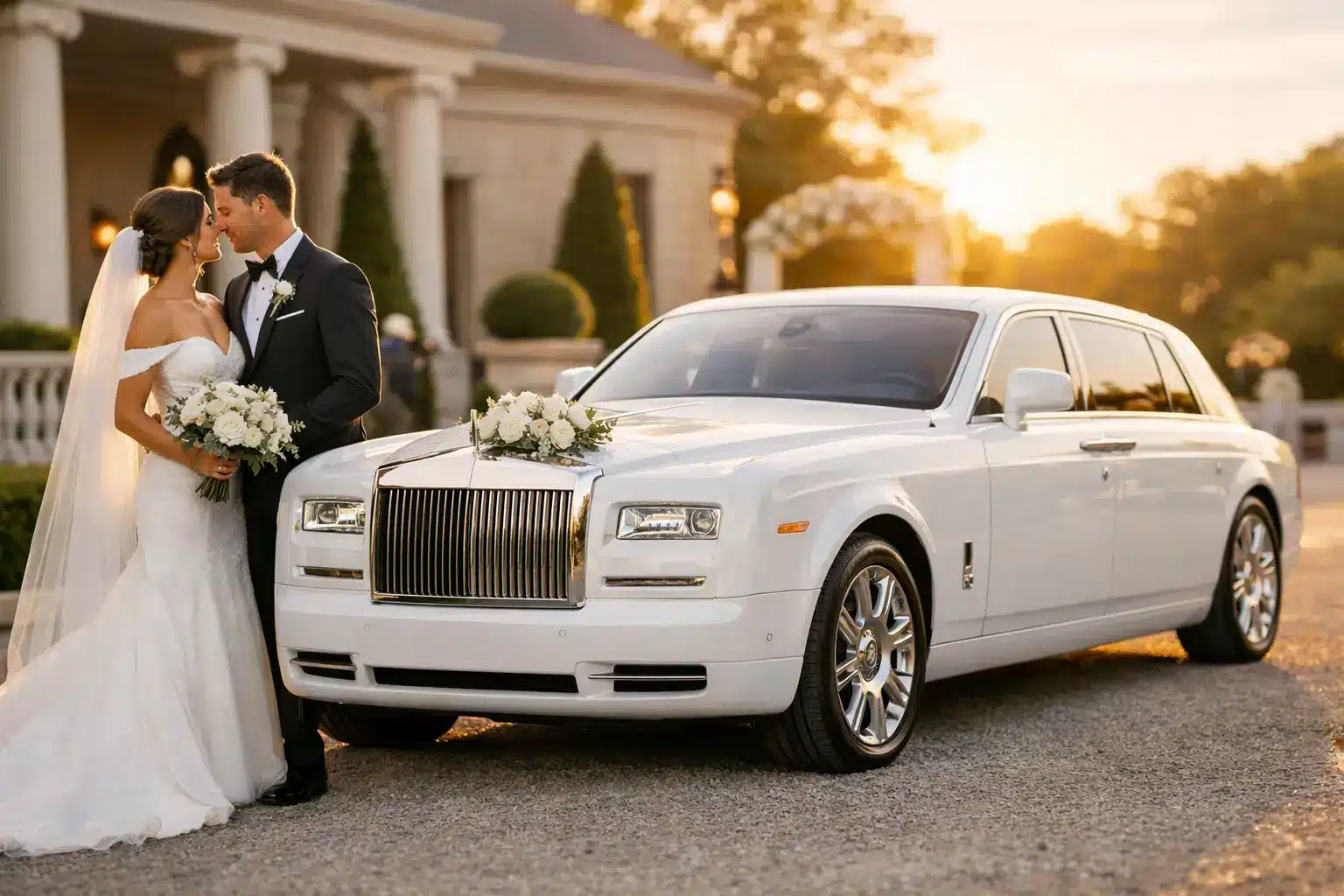
A wedding limousine service should do more than provide a striking arrival. It should make the day’s moving parts easier to manage: separate pickup points, ceremony timing, photo stops, family members who need extra room, and a reception that may be in another city. The right plan begins with the schedule, then matches each group to the appropriate vehicle and chauffeur.
For weddings across Toronto, Mississauga, Brampton, Vaughan, Markham, Hamilton, and beyond, the practical question is rarely whether to book one vehicle. It is how to organize the complete transportation plan without creating gaps between the ceremony, portraits, and reception.
Start With the Wedding Schedule, Not the Vehicle
A vehicle choice looks different once the full day is mapped out. A couple may need transportation from separate homes to a first-look location, then to a church or banquet hall, portrait locations, and the reception. Parents, grandparents, and a bridal party may each have different pickup requirements.
Build the transportation schedule around confirmed addresses and event times. Include a realistic buffer for getting dressed, loading flowers or personal items, traffic around busy Toronto venues, photography, and guests leaving the ceremony. A detailed itinerary also gives the chauffeur team a clear operating plan before the first pickup.
The ceremony itself matters. A Punjabi baraat may require coordinated arrivals and space for the wedding party. A Hindu ceremony may be tied closely to a muhurat time. A Chinese tea ceremony can involve several family homes before the formal ceremony, while an Italian church-to-reception schedule often calls for an orderly convoy and a defined photo window. A Persian Sofreh Aghd setup can also affect access points and arrival timing at the venue.
These are not details to sort out at the curb. Share them while booking so the transportation plan reflects how the day will actually run.
Choosing a Wedding Limousine Service Fleet
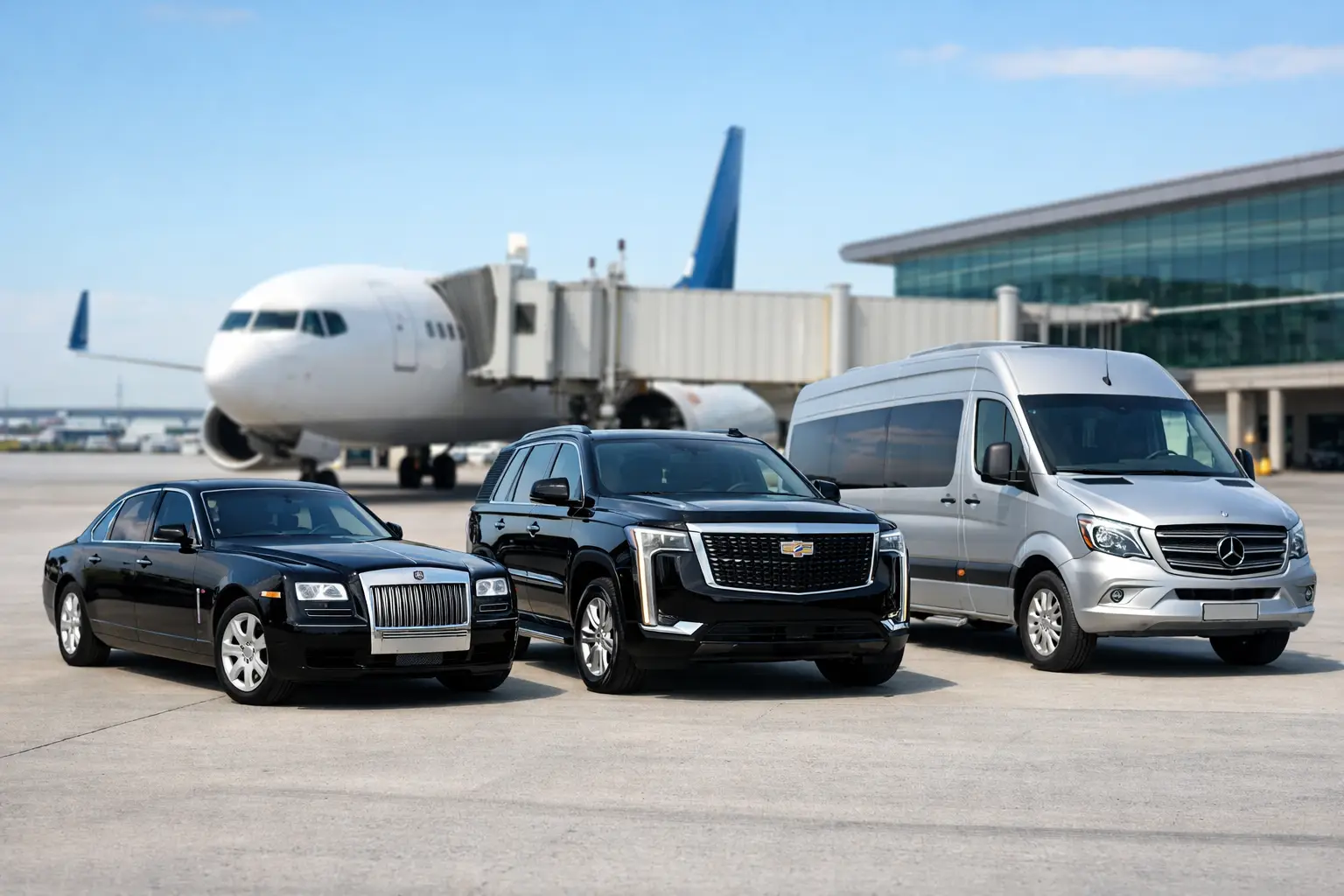
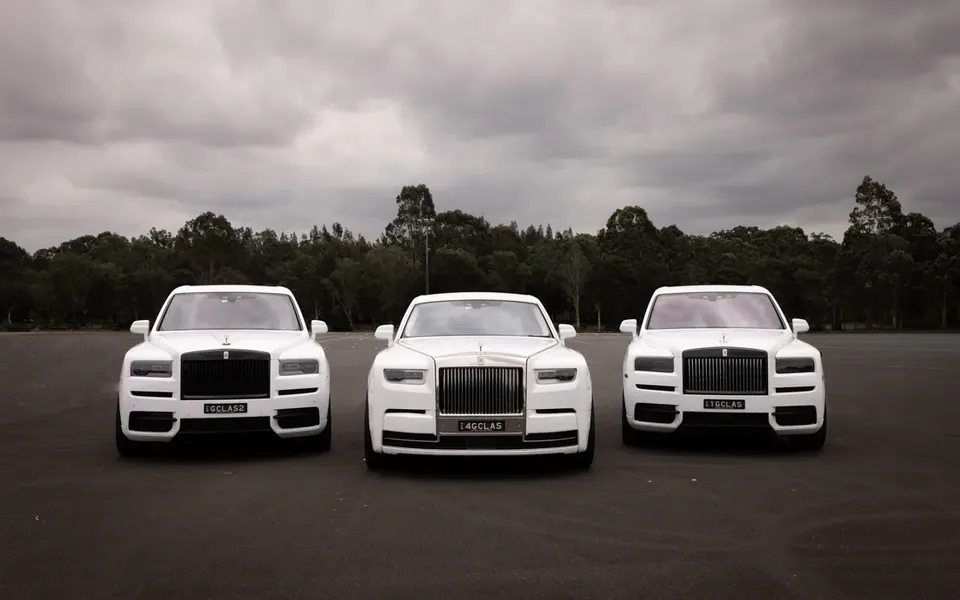
The couple’s vehicle sets the visual tone, but it should also fit the route, dress requirements, and number of stops. A Rolls-Royce Phantom Two-Tone is a natural choice for a formal wedding and photographs especially well at estate venues, hotels, and banquet halls. Platinum Rides’ Phantom Two-Tone is the only custom-painted model of its kind in the Toronto area. The Rolls-Royce Ghost, Phantom 8 Series, Cullinan, and 1960 Silver Cloud II offer distinctly different looks, from contemporary sedan to vintage character.
A Rolls-Royce Cullinan can be the more practical option when the itinerary includes several locations, a longer drive, or weather that makes SUV access useful. For couples who prefer a modern executive sedan, the Mercedes-Maybach S 580 provides a composed, formal cabin. The BMW 750i is another appropriate choice for a refined, lower-profile arrival.
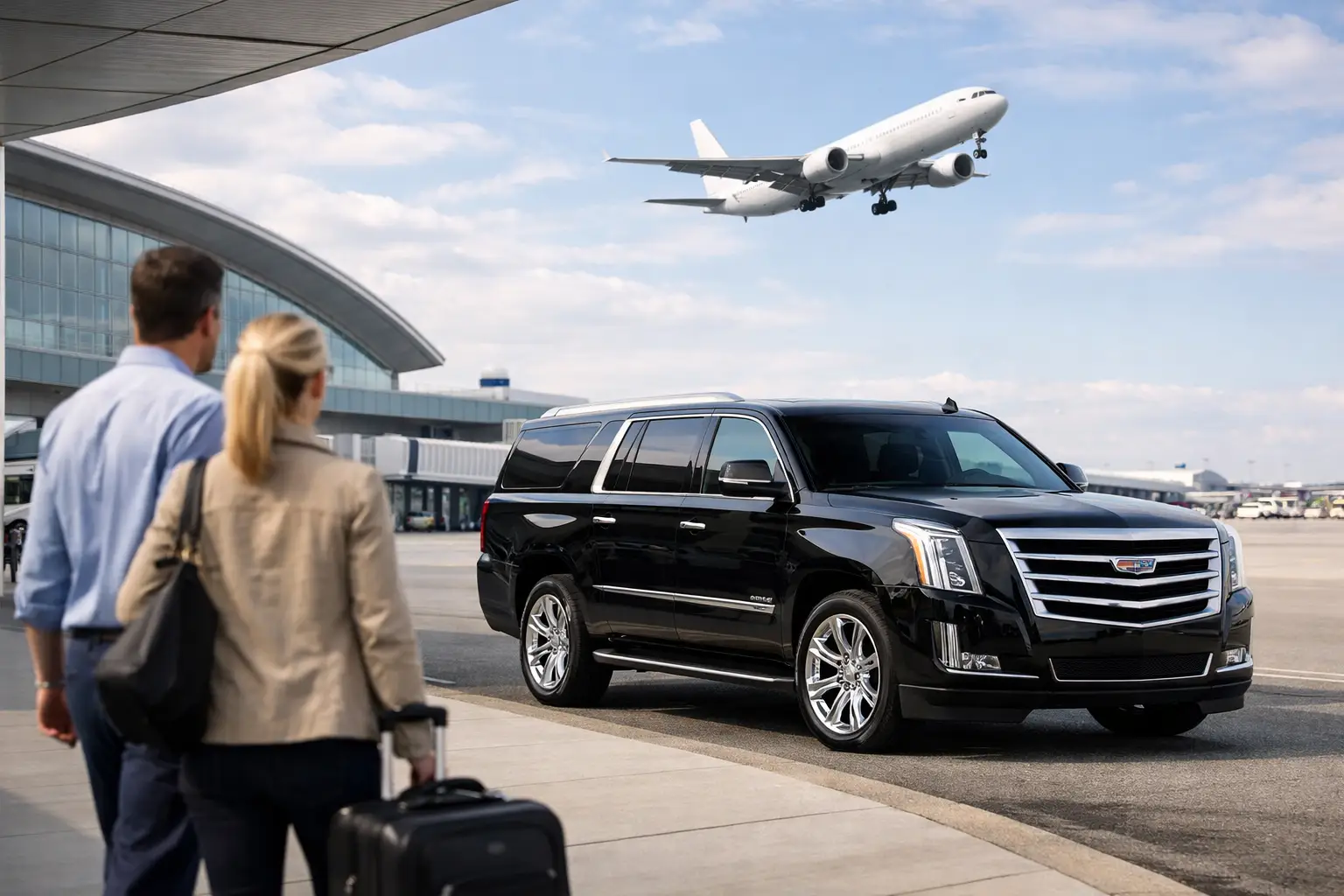
The bridal party requires a separate decision. A Cadillac Escalade works well for a smaller group that wants SUV space without a stretch format. The Lincoln MKT Stretch, Lincoln Navigator Stretch, and Hummer H2 Stretch accommodate larger bridal parties, with the Hummer H2 Stretch seating up to 18 passengers. Capacity should be confirmed based on the actual passengers traveling, not only the vehicle’s maximum listed number.
For family groups, the Mercedes Sprinter Limo Style seats up to 14 passengers and is often a practical choice for moving close relatives together. The Mercedes Sprinter Corporate and Ford Transit also seat up to 14. For a smaller VIP family transfer, the seven-passenger Mercedes Jet Interior Sprinter offers a more intimate layout.
Large guest transportation is often worth considering when a ceremony and reception are separated by a meaningful drive. Party buses accommodate 22, 28, 34, or 50 passengers. Shuttle coaches are available for 23 or 27 guests, with a 56-passenger highway coach for larger groups. This is particularly useful for weddings with guests traveling from a hotel to an out-of-town venue, or for receptions where parking is limited.
Plan Vehicles by Group and Responsibility
Trying to place everyone into one oversized vehicle can complicate the day. A stronger approach is to give each vehicle a clear role. The couple’s car follows the photography and ceremony schedule. The bridal party vehicle follows the couple’s photo itinerary. A family Sprinter or coach operates on a guest-focused schedule, which may include early venue arrival or a later return after the reception.
This division is valuable when a wedding has multiple cultural events or several locations. It prevents grandparents from waiting through a long portrait session and keeps the wedding party from being responsible for transporting family members between venues.
For groups of four or more with distinct routes, confirm these points in writing:
- Each pickup address, pickup time, and passenger contact
- Ceremony, photo, and reception locations, including venue entrances
- Who is traveling in each vehicle at each stage of the day
- The final drop-off plan, including whether guest transportation is one-way or round-trip
A licensed, formally dressed chauffeur is included with every Platinum Rides booking. This is chauffeur service, not a self-drive arrangement. The chauffeur’s role is to operate the assigned itinerary professionally, manage safe curbside arrivals, and communicate with the designated contact when details change.
Think Carefully About Photography Time
A wedding vehicle can become part of the portrait plan, but the schedule must allow for it. Photographers often need 15 to 30 minutes with the couple and vehicle, depending on the venue and the number of locations. If the car is expected at the ceremony entrance during that same period, the timeline needs to account for the transition.
Tell the transportation coordinator whether photography is planned at the pickup location, ceremony site, an off-site park, or the reception venue. Also confirm whether the vehicle will remain with the couple during portraits or return later for the formal arrival. This is especially relevant for Rolls-Royce bookings, where the vehicle is often a planned visual element rather than simple point-to-point transportation.
Weather is another trade-off. An outdoor photo plan may shift quickly in rain, extreme heat, or winter conditions. A vehicle with more interior room, such as a Cullinan or Escalade, can offer a more practical waiting space than a sedan if the schedule changes.
Ask About Pricing Before the Day
Wedding transportation should have clear financial terms before the itinerary is finalized. Platinum Rides confirms a flat rate before departure, plus HST and gratuity. There are no per-kilometer charges. A sedan begins at $90, while a Rolls-Royce Ghost begins at $550 and a Mercedes-Maybach S 580 begins at $750.
The final rate depends on the vehicle, service duration, route, number of stops, and whether multiple vehicles are needed. A package involving a Phantom for the couple, an Escalade for the bridal party, and a Sprinter for family has different operational requirements than a single ceremony-to-reception transfer.
Ask how schedule extensions, additional stops, late-night guest returns, and venue changes are handled. There is no value in a vague quote that leaves the key details unresolved until the wedding day.
Confirm Venue Access and Logistics
Not every venue handles arrivals the same way. Some have a dedicated porte cochere, while others use a side entrance, shared parking area, or narrow circular drive. Historic estates, downtown hotels, country venues, and banquet halls each present different access considerations.
Provide the venue coordinator’s contact information when possible. It helps to confirm where the couple should be dropped off, where larger vehicles can wait, and whether there are restrictions on coach or party bus access. For a Hamilton wedding at Liuna Station, a Cambridge event at Langdon Hall, or a reception in a busy Vaughan or Mississauga banquet district, this planning can prevent avoidable last-minute confusion.
If guest transportation is included, designate one family member or wedding planner as the transportation contact. That person can confirm passenger counts and departure timing without placing those decisions on the couple during the reception.
Book When the Itinerary Is Realistic
A polished wedding transportation plan does not need to predict every minute. It needs confirmed locations, sensible buffers, clear vehicle assignments, and one person authorized to make day-of decisions. Start with the people who must arrive at a precise time, then build the rest of the transportation around them. That approach keeps the vehicles useful, the schedule credible, and the couple free to focus on the ceremony rather than the parking lot.